
The Virtual
Hemp Museum
A journey through ten thousand years of humanity's most remarkable plant — from Neolithic rope to the bottle on your shelf. Step inside and follow the pulse.
Enter the museum →No plant has walked further with humanity than hemp. It clothed us, sailed our ships, printed our words, fed our bodies and — only recently — revealed how gently it can help us find our balance.
Twelve halls to explore
Wander in order, or jump to whatever calls you. Some halls hold interactive exhibits — look for the pulse.
The Ancient World
Where the story of hemp begins
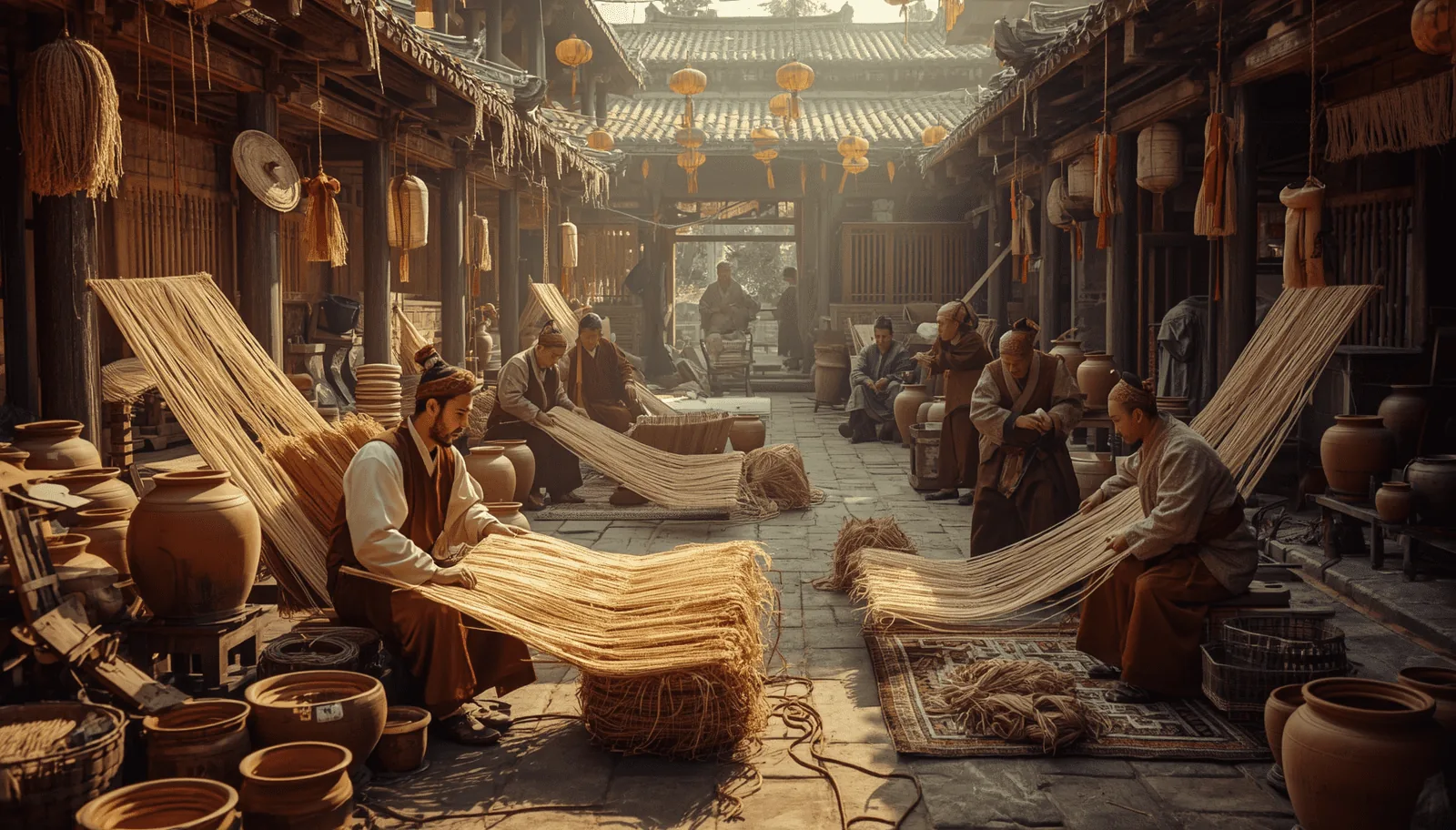
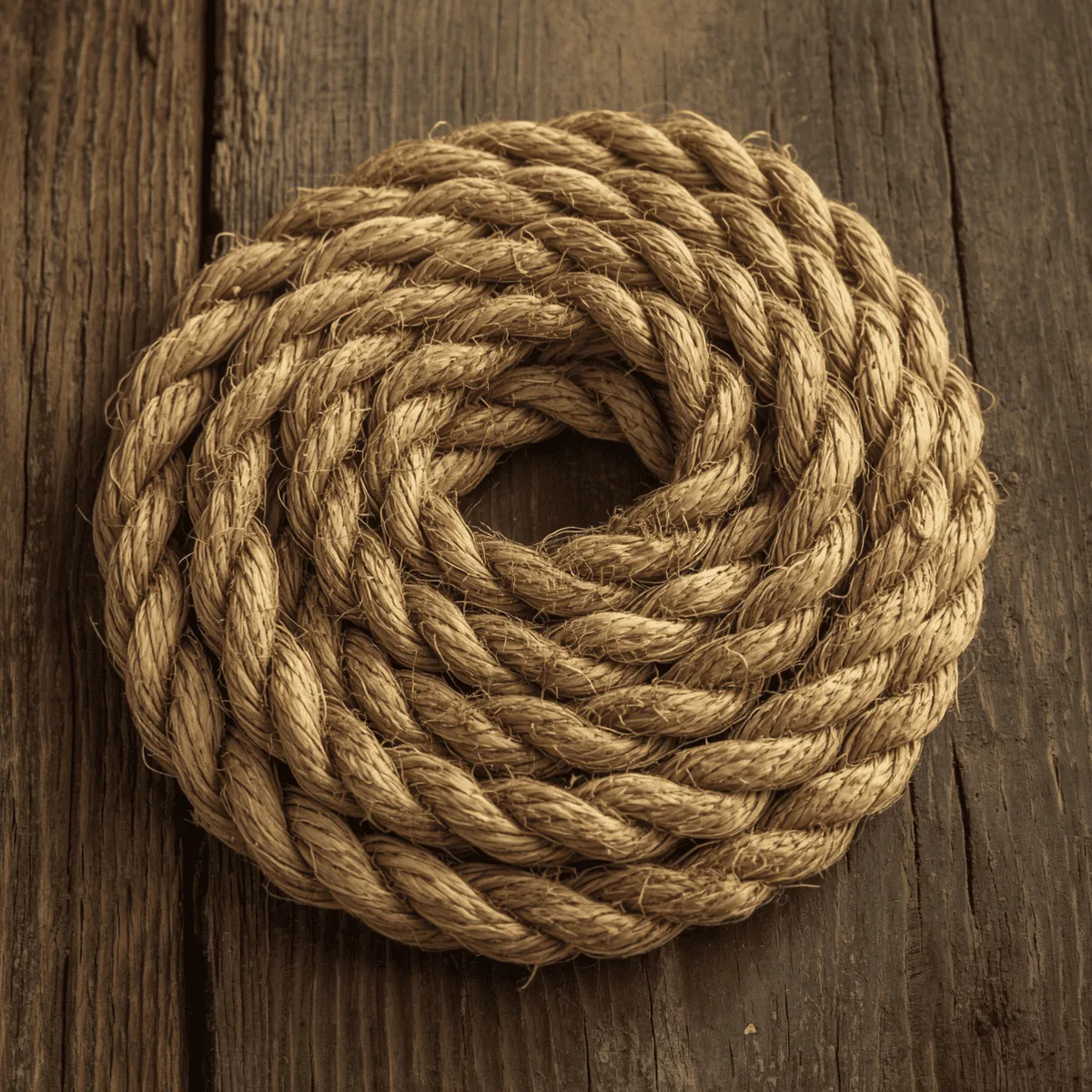
The story of hemp begins in the cradle of human civilisation. Archaeological evidence suggests that hemp was among the very first plants ever cultivated, with traces of its use in ancient China dating back nearly ten thousand years. Early communities discovered that the tall, fibrous stalks could be transformed into rope, cloth and fishing nets, while the seeds offered a valuable source of nutrition. In ancient China, hemp was so important that it was considered one of the essential grains.
From China the knowledge of hemp spread westward across Asia and into Mesopotamia, where it became woven into the fabric of daily life. People used it to make textiles, paper and cordage long before many other materials existed. To walk through this hall is to stand at the very beginning of a relationship between humanity and a single plant — a relationship that would go on to shape the entire world.
BCE
The first fibre
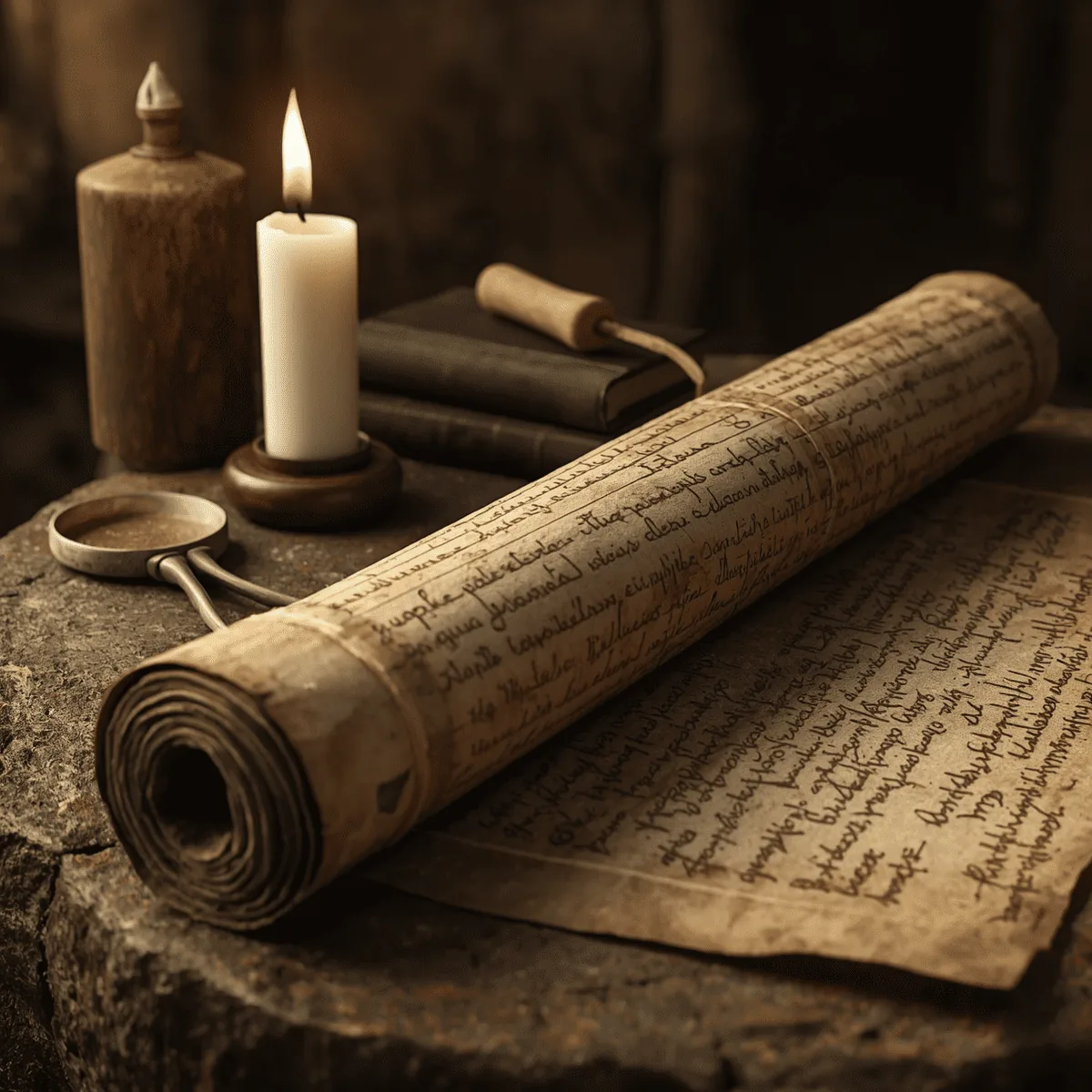
Imprints of hemp cord found in ancient pottery across East Asia make it one of the very first plants humans ever cultivated — for cloth, cord and nets.
Egypt and the Mediterranean
The fibre that built the ancient world

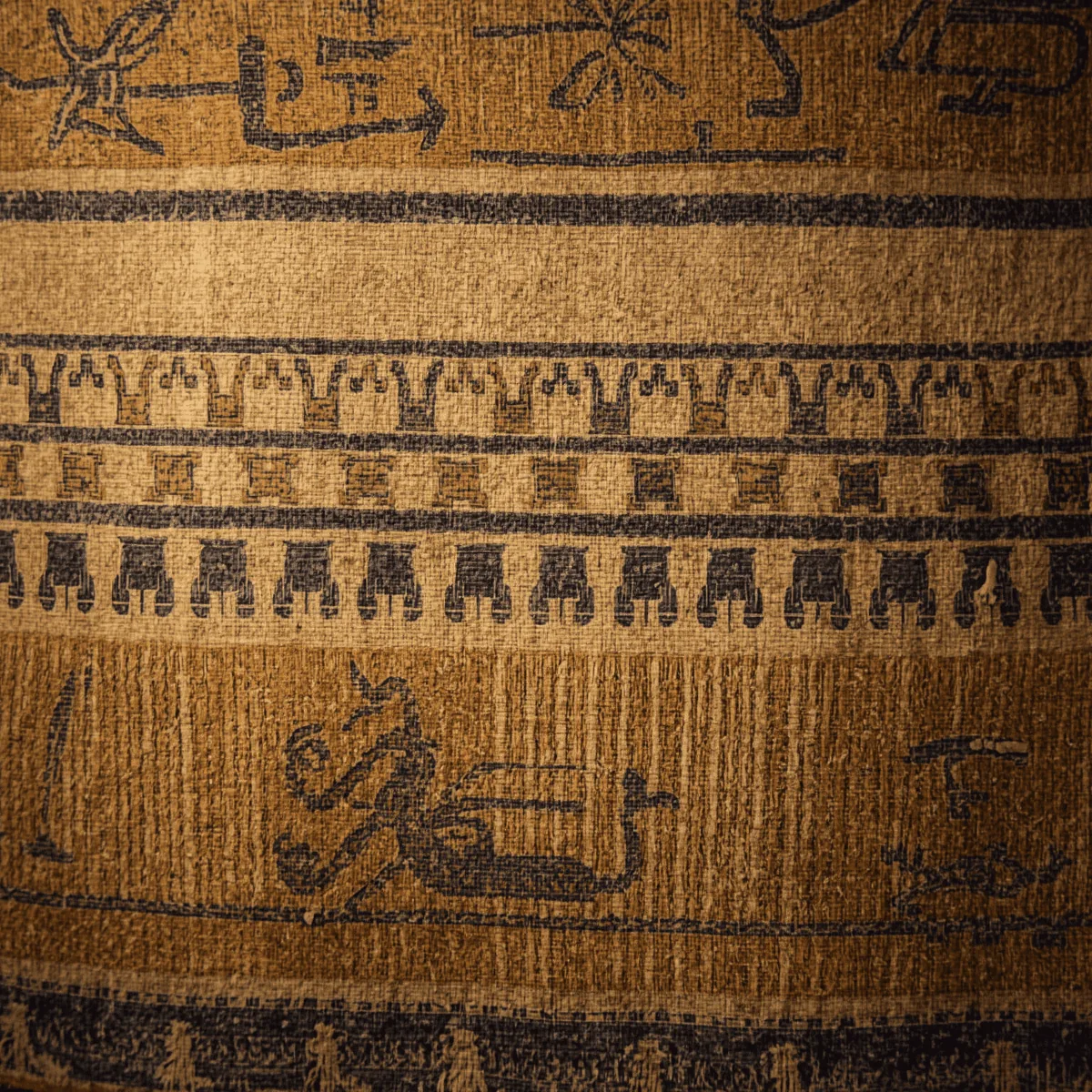
Around the shores of the Mediterranean, hemp found new purpose. In ancient Egypt and across the classical world, its strong fibre was used to produce ropes, sails and woven cloth that powered trade and exploration. The very word "canvas" traces its roots back to the Latin word for cannabis — a quiet reminder of just how central hemp once was to the materials of everyday life.
Hemp ropes hauled stone, rigged ships and bound cargo across the ancient trade routes. Its durability made it the material of choice wherever strength and reliability mattered. In this hall we honour the civilisations of the Mediterranean, who refined the craft of working hemp into an art and carried it across the known world.
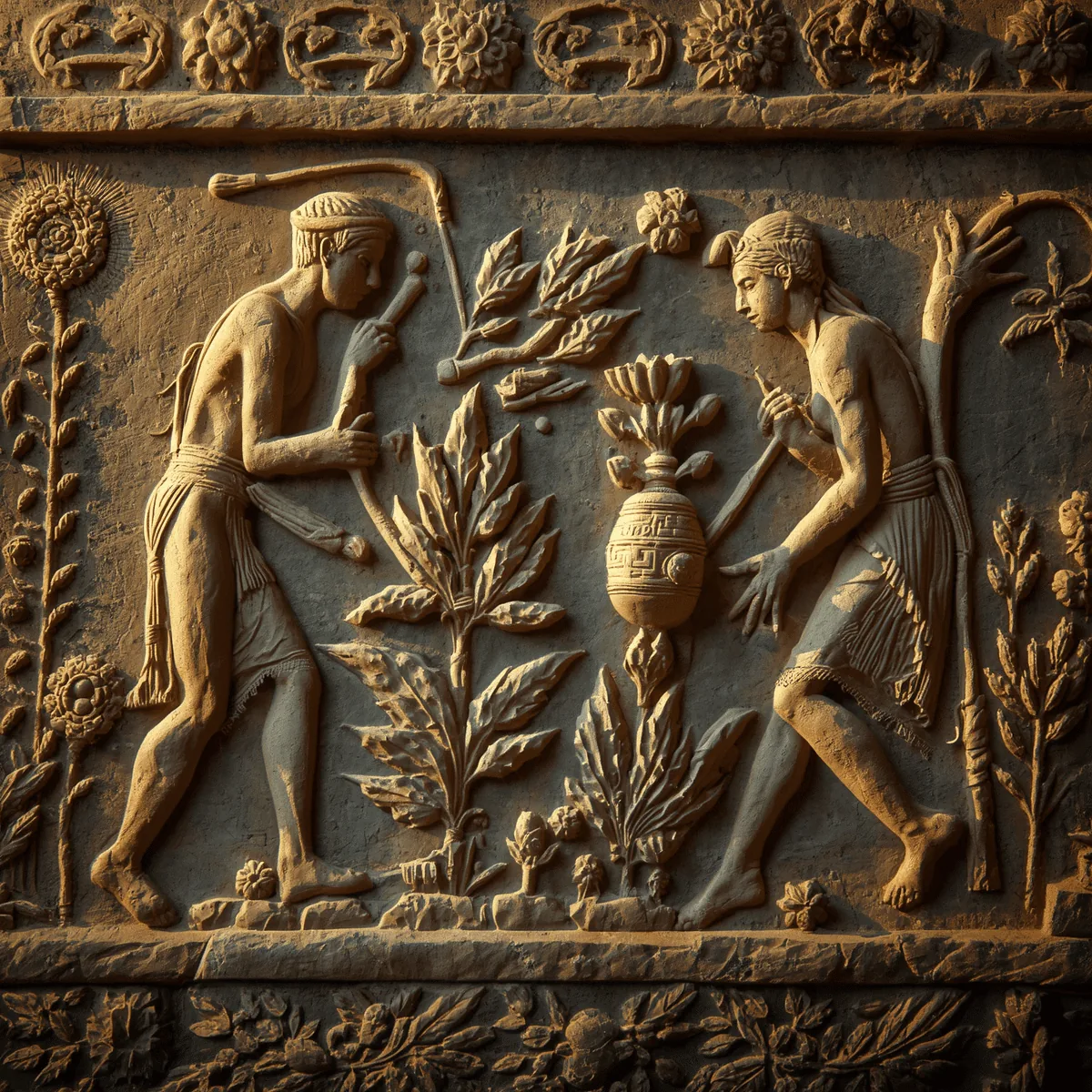
Asia: India and the East
Tradition, craft and wellness
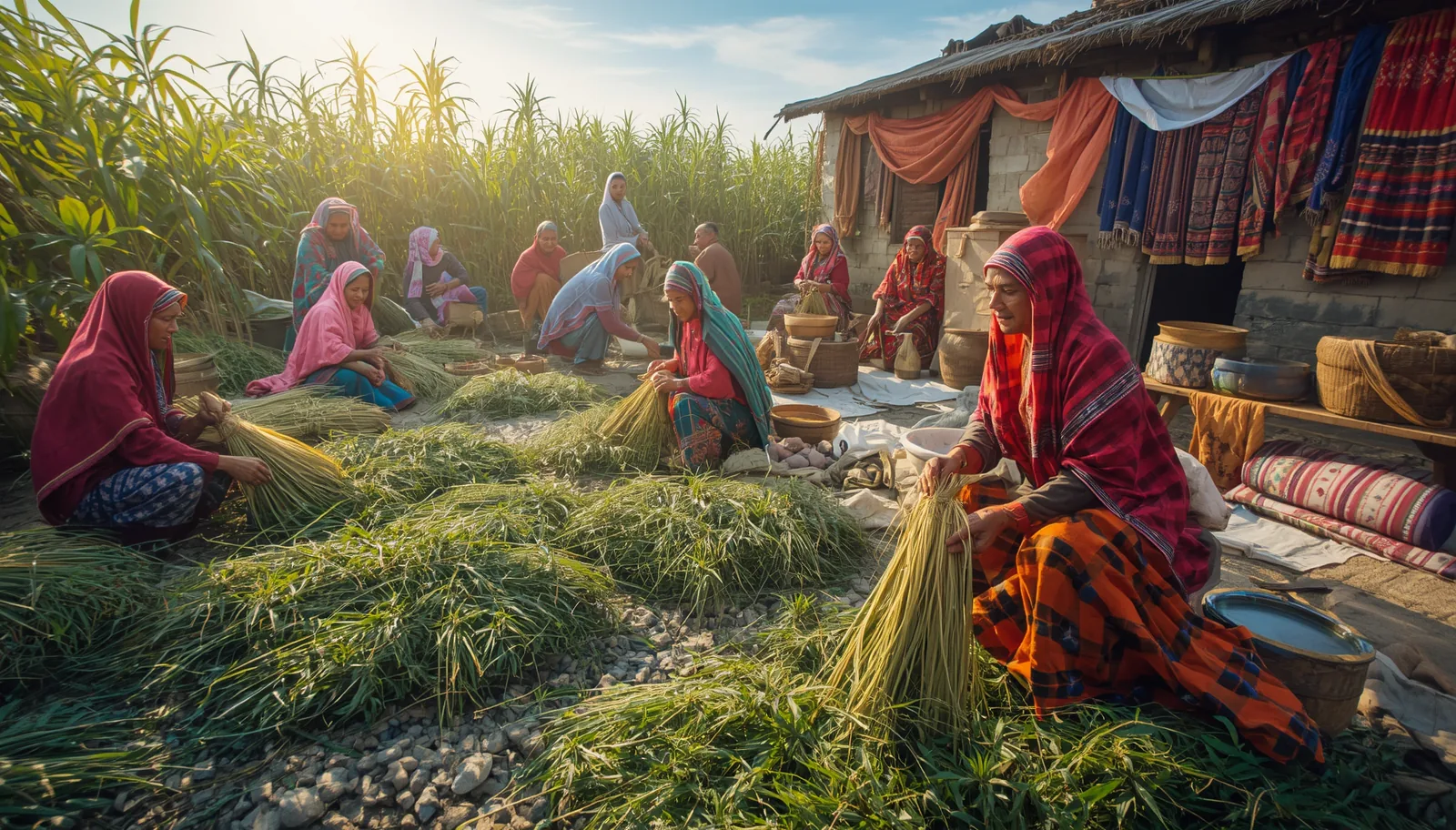
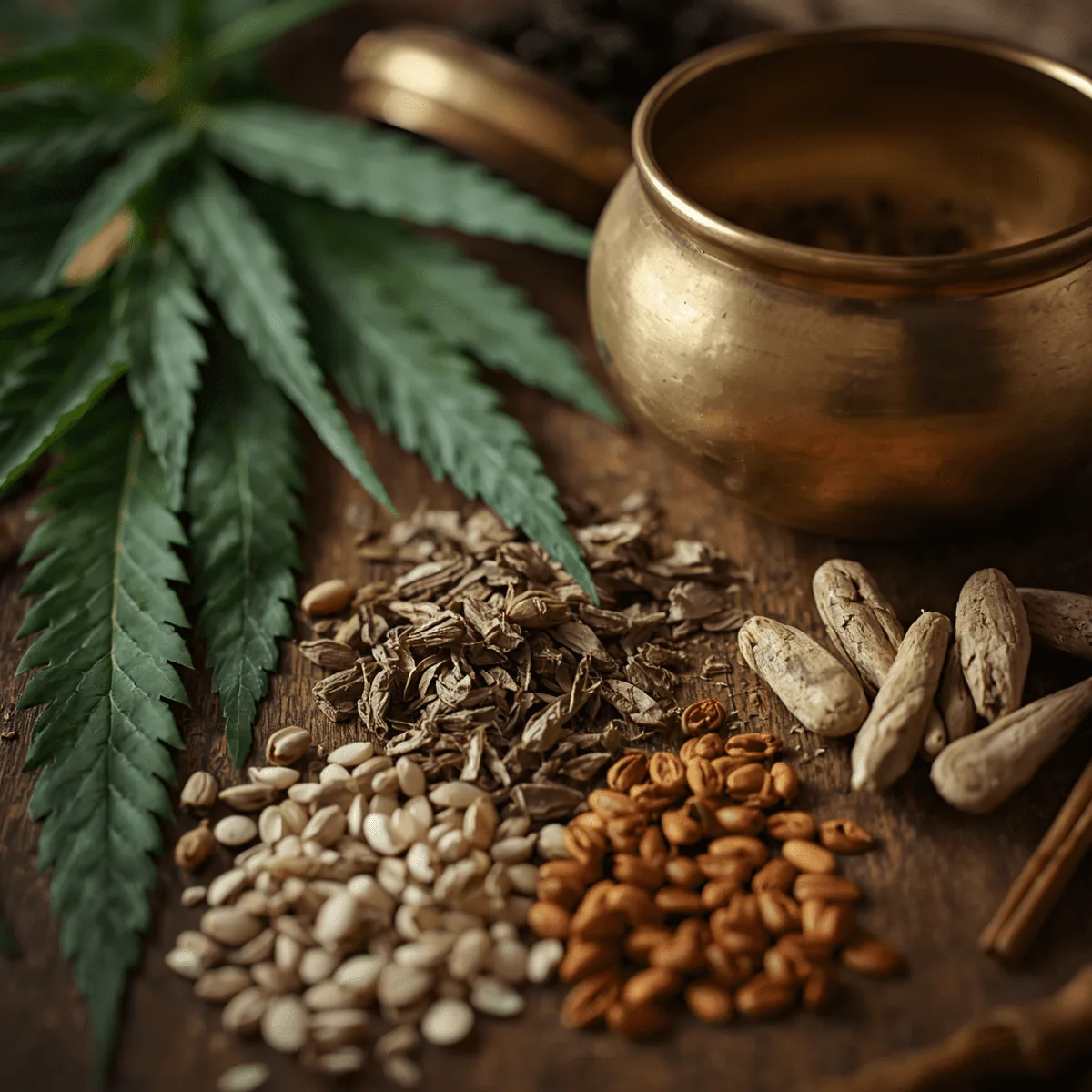
In the East, hemp became deeply woven into culture, craft and tradition. Across India and much of Asia, the plant was valued not only for its strong fibre but also as part of traditional wellness practices passed down through generations. Skilled artisans wove hemp into durable, breathable textiles prized for their comfort in warm climates.
For centuries, hemp held a respected place in the daily and spiritual life of these regions. The knowledge of how to grow, process and use the plant was treasured and refined over time. This hall celebrates the enduring relationship between the people of the East and a plant that served them in cloth, craft and care.
Africa
Trade, textile and heritage
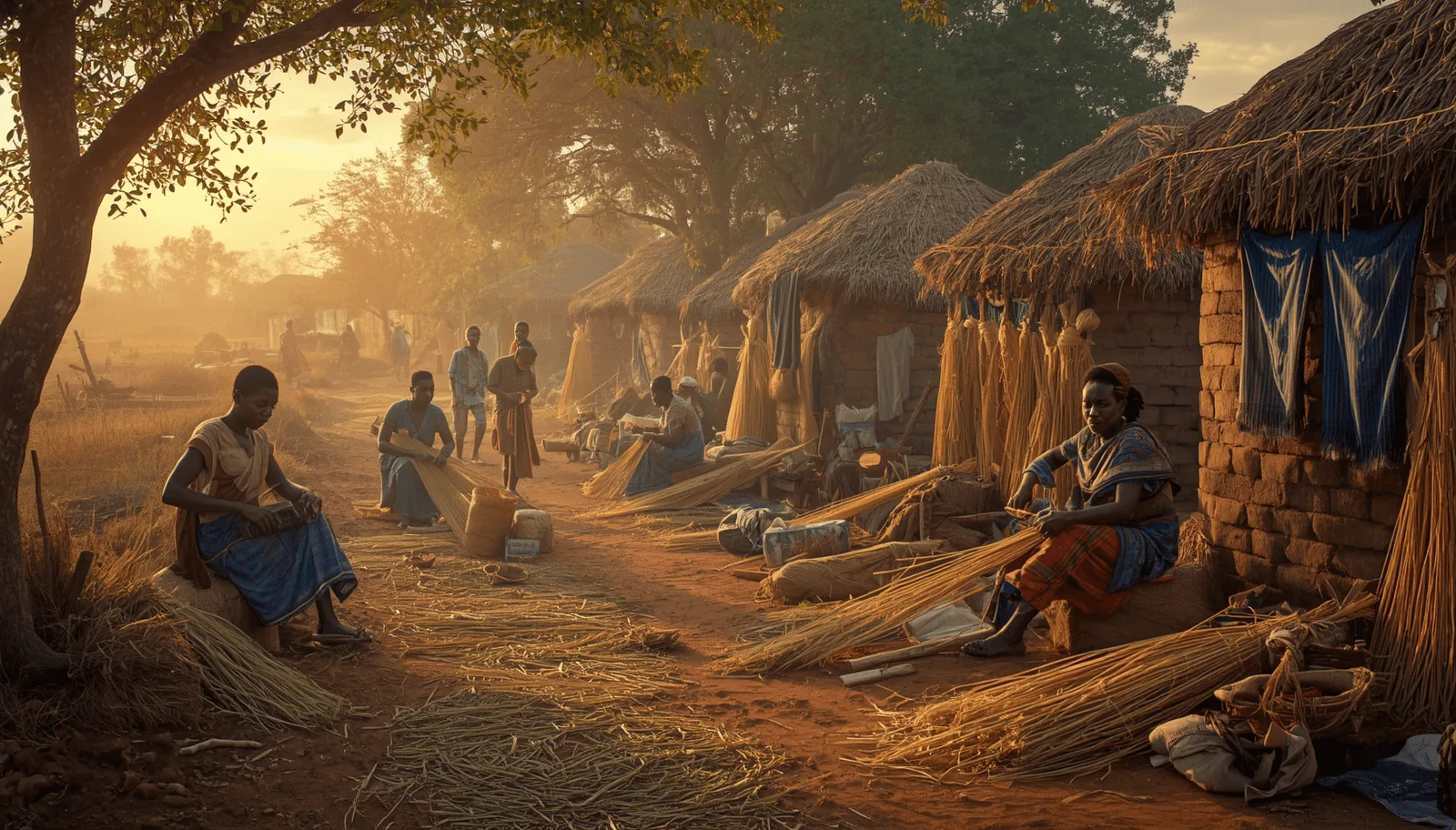
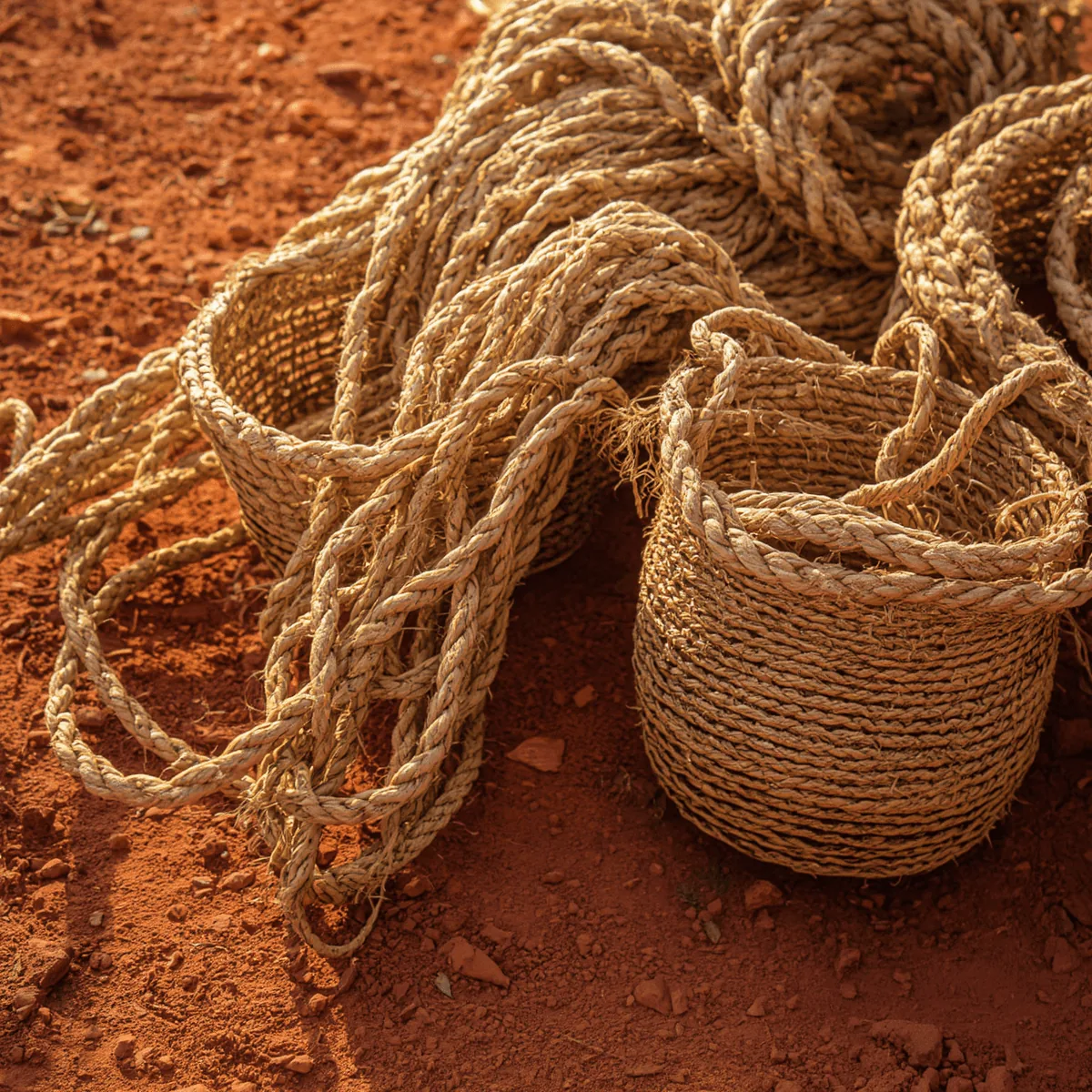
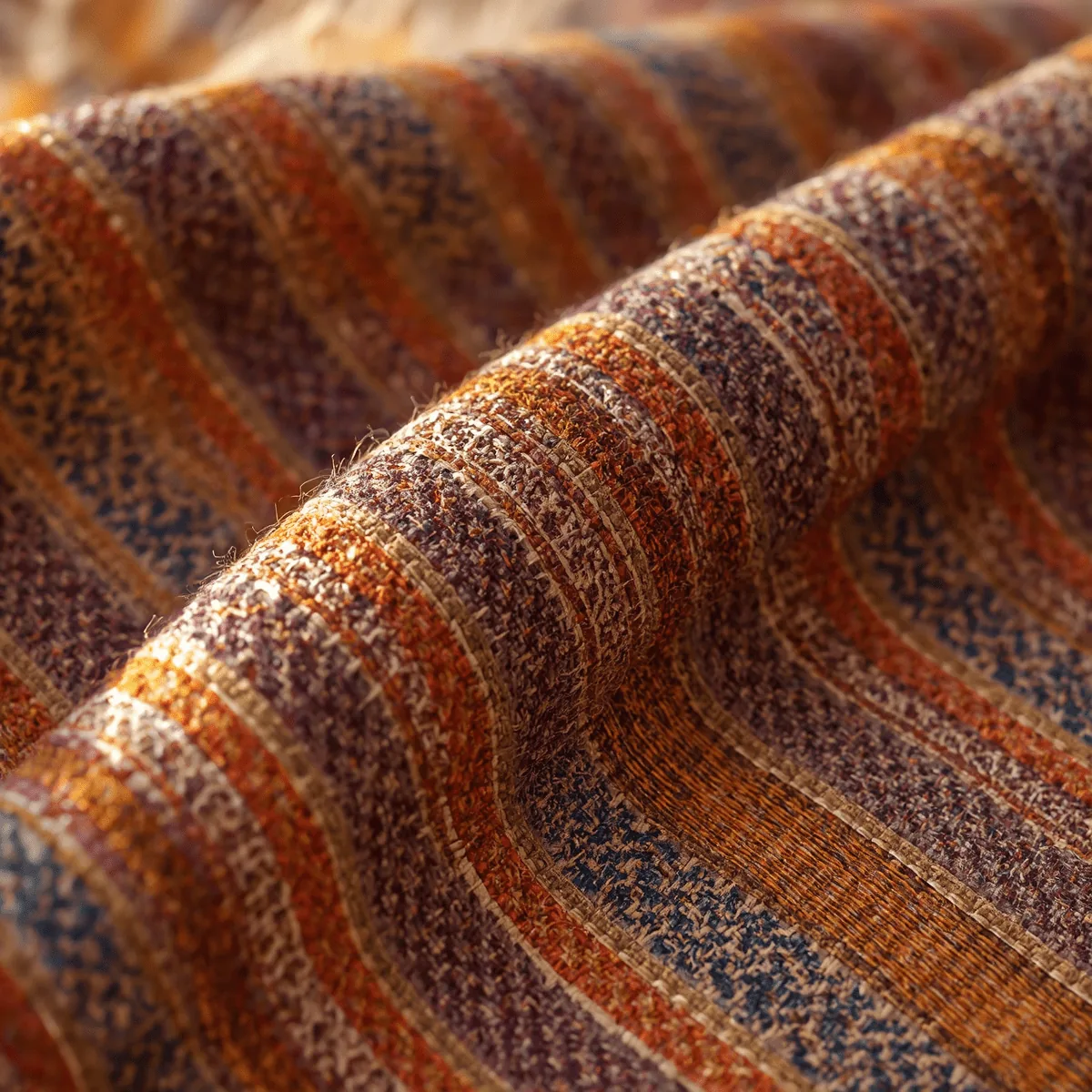
Across the African continent, hemp became part of a rich tradition of craft and trade. Communities wove its fibre into textiles, baskets and rope, creating durable goods that supported daily life and commerce. Archaeological discoveries across the continent reveal that hemp and related plants travelled along ancient trade networks, connecting distant cultures.
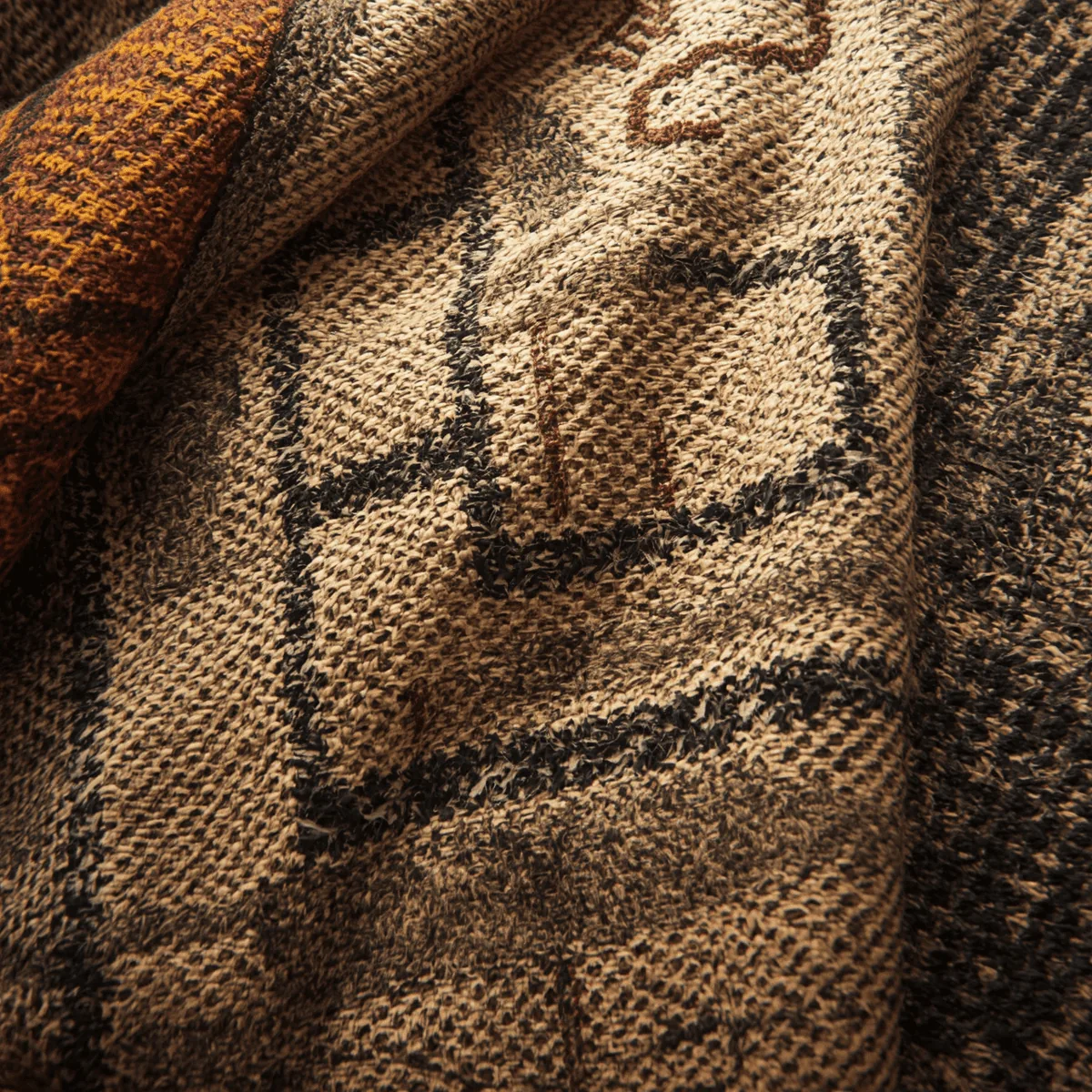
The handwoven patterns and techniques developed across Africa reflect generations of skill and ingenuity. Hemp's strength and versatility made it a natural fit for communities that valued both function and artistry. This hall honours the craftspeople of Africa and the heritage they built around this remarkable fibre.
Russia and Eastern Europe
The hidden hemp superpower

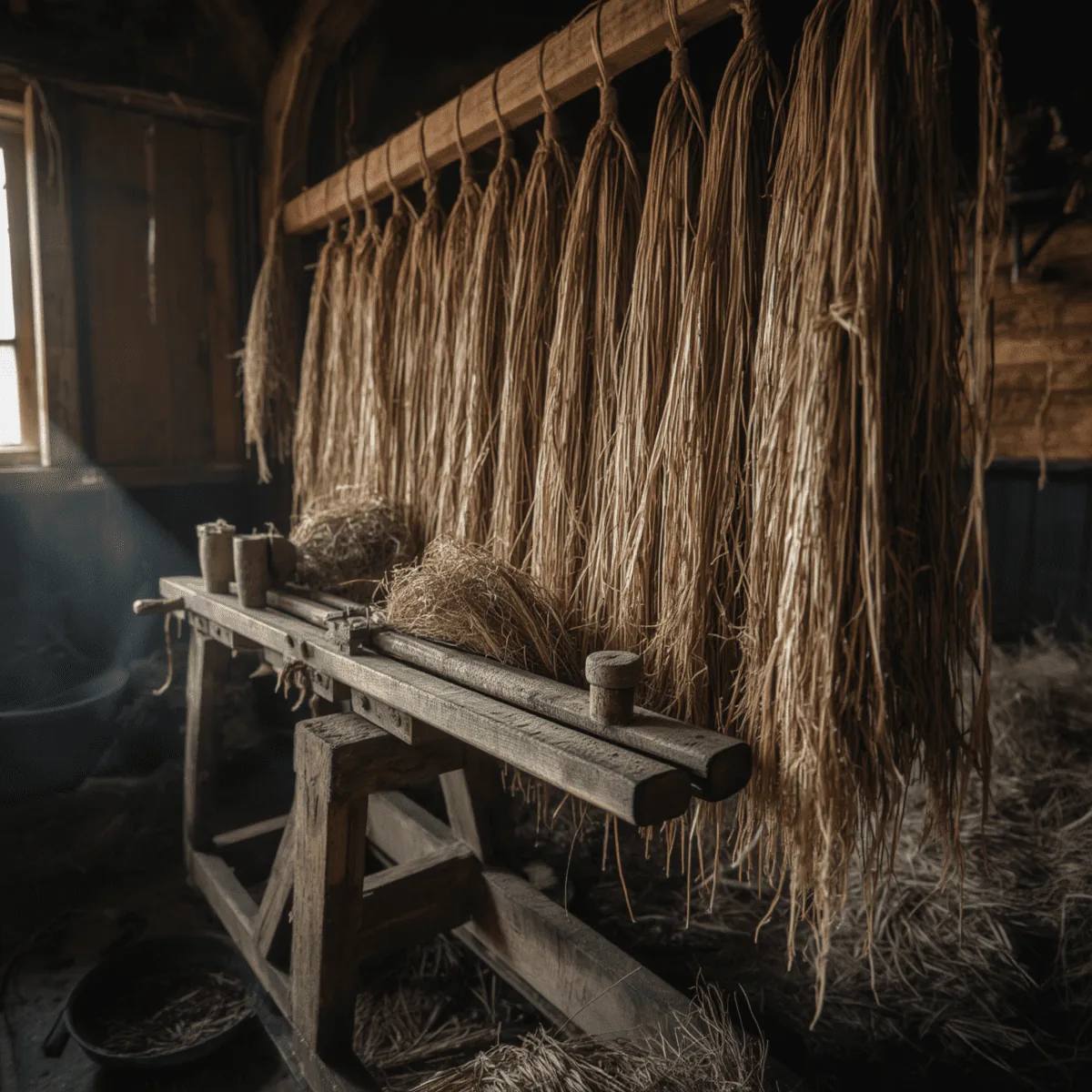
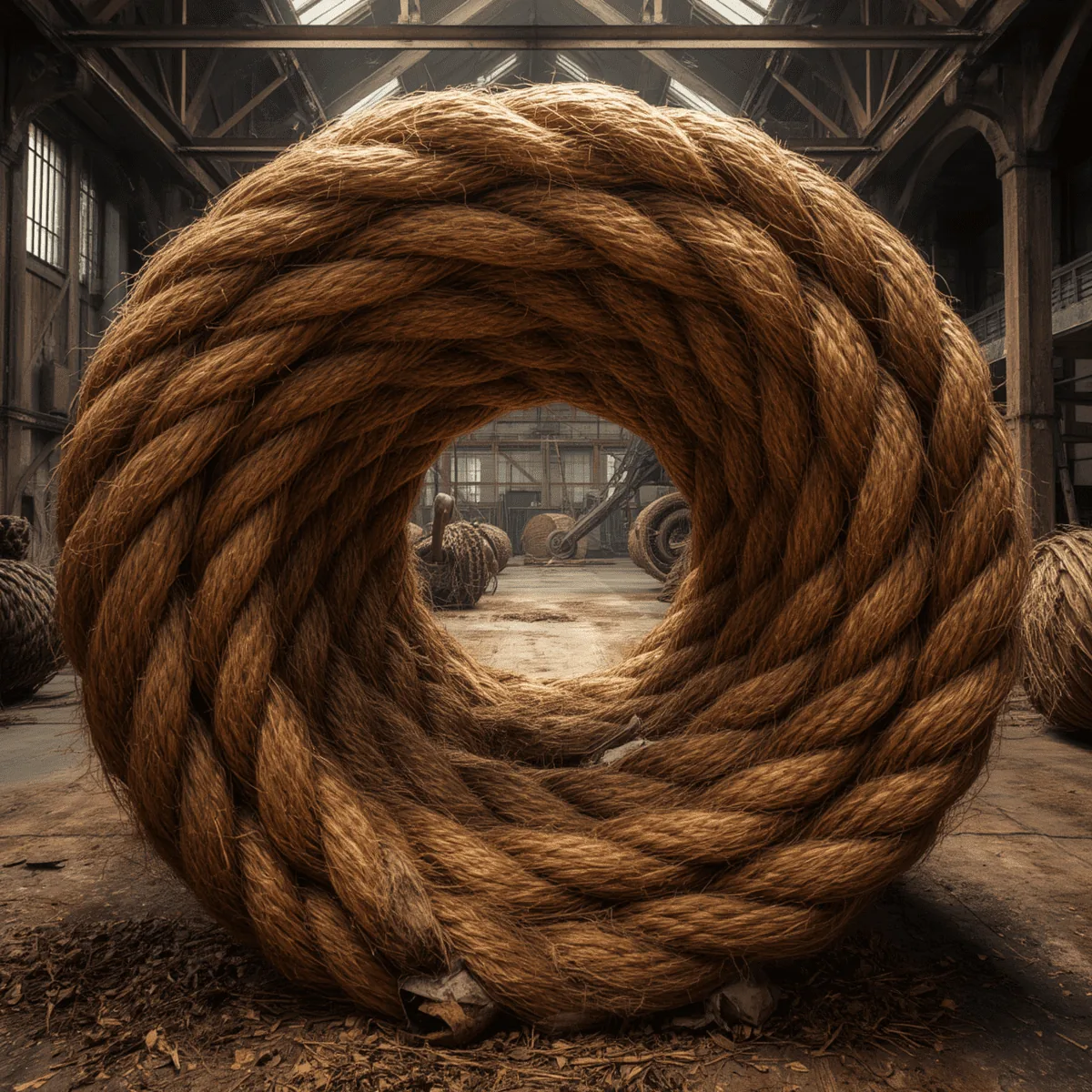
Few people know that for centuries, Russia was the largest producer and exporter of hemp in the world. The great naval powers of Europe — including the mighty British Royal Navy — depended heavily on Russian hemp to rig their fleets. The ropes, cables and sails that carried ships across the oceans were often made from hemp grown and processed in the fields of Russia and Eastern Europe.
This trade was so valuable that hemp became a matter of national strategy and international politics. Vast warehouses stored enormous coils of rope destined for ports across the continent. In this hall we shine a light on one of history's most overlooked stories — the era when hemp was a pillar of global power, and Eastern Europe stood at its very centre.
Hemp in America
A founding crop
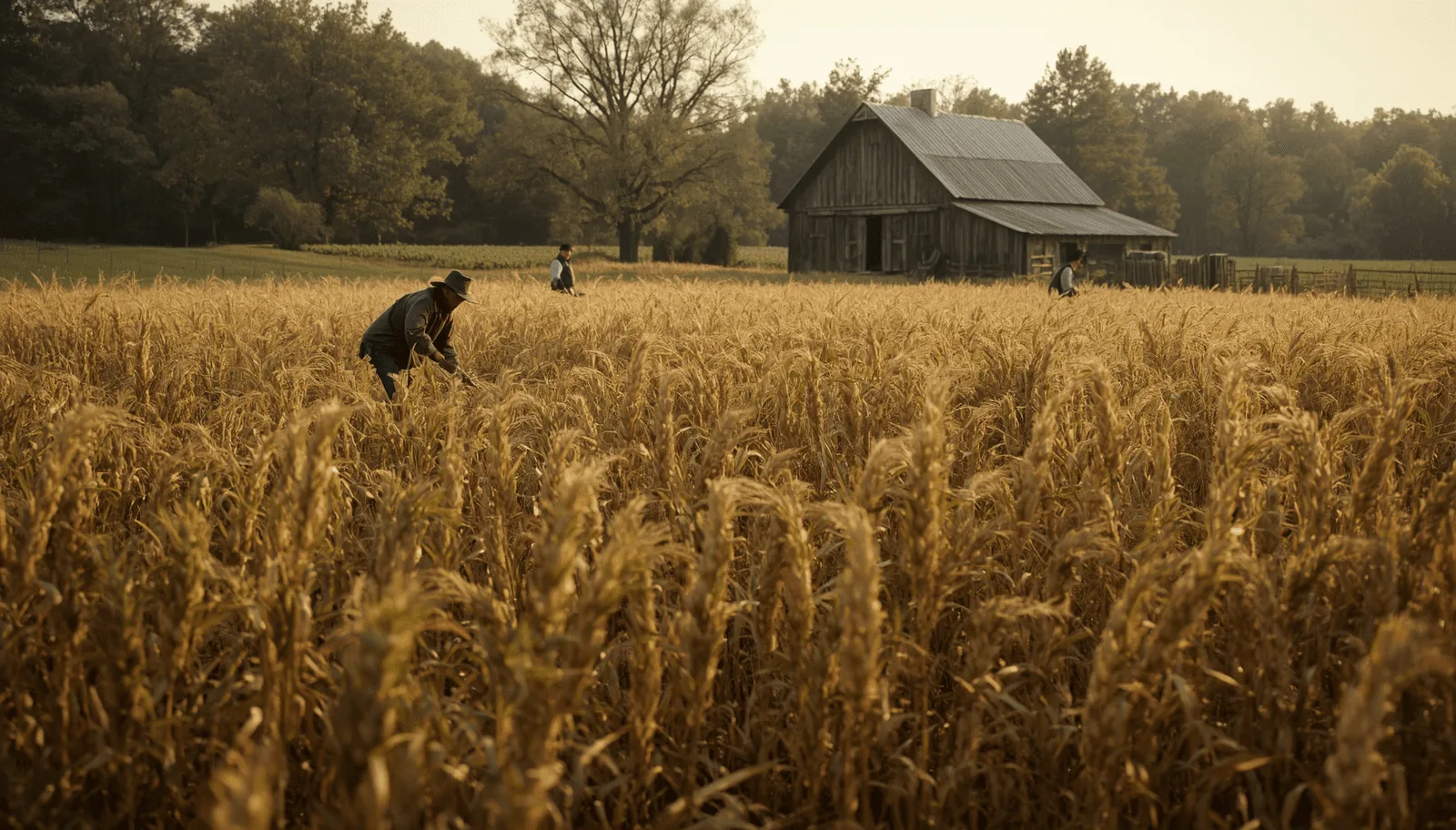

Hemp played a remarkable role in the early history of America. It was grown widely across the colonies, and some of the nation's most famous founders — including George Washington and Thomas Jefferson — cultivated hemp on their own farms. The fibre was used for rope, sailcloth, clothing and paper, and at certain times farmers were even encouraged by law to grow it.
For generations, hemp was simply a normal and valued part of American agriculture. It clothed families, rigged ships and supplied the young nation with essential materials. This hall tells the story of hemp as a founding crop — woven quietly into the fabric of a country's earliest days.
Hemp and the Age of Sail
The fibre that ruled the seas


For thousands of years, no ship could sail without hemp. Its fibre was the material of choice for the ropes, rigging and sails that powered exploration and trade across the world's oceans. A single large sailing vessel could require tens of tonnes of hemp for its rigging alone — every rope, cable and sail depended on it.
Hemp's resistance to saltwater made it far superior to many alternatives, and sailors trusted their lives to its strength. The great age of exploration, which connected continents and reshaped the world, was quite literally held together by hemp. This hall celebrates the plant that carried humanity across the seas.

Hemp at War
Hemp for Victory
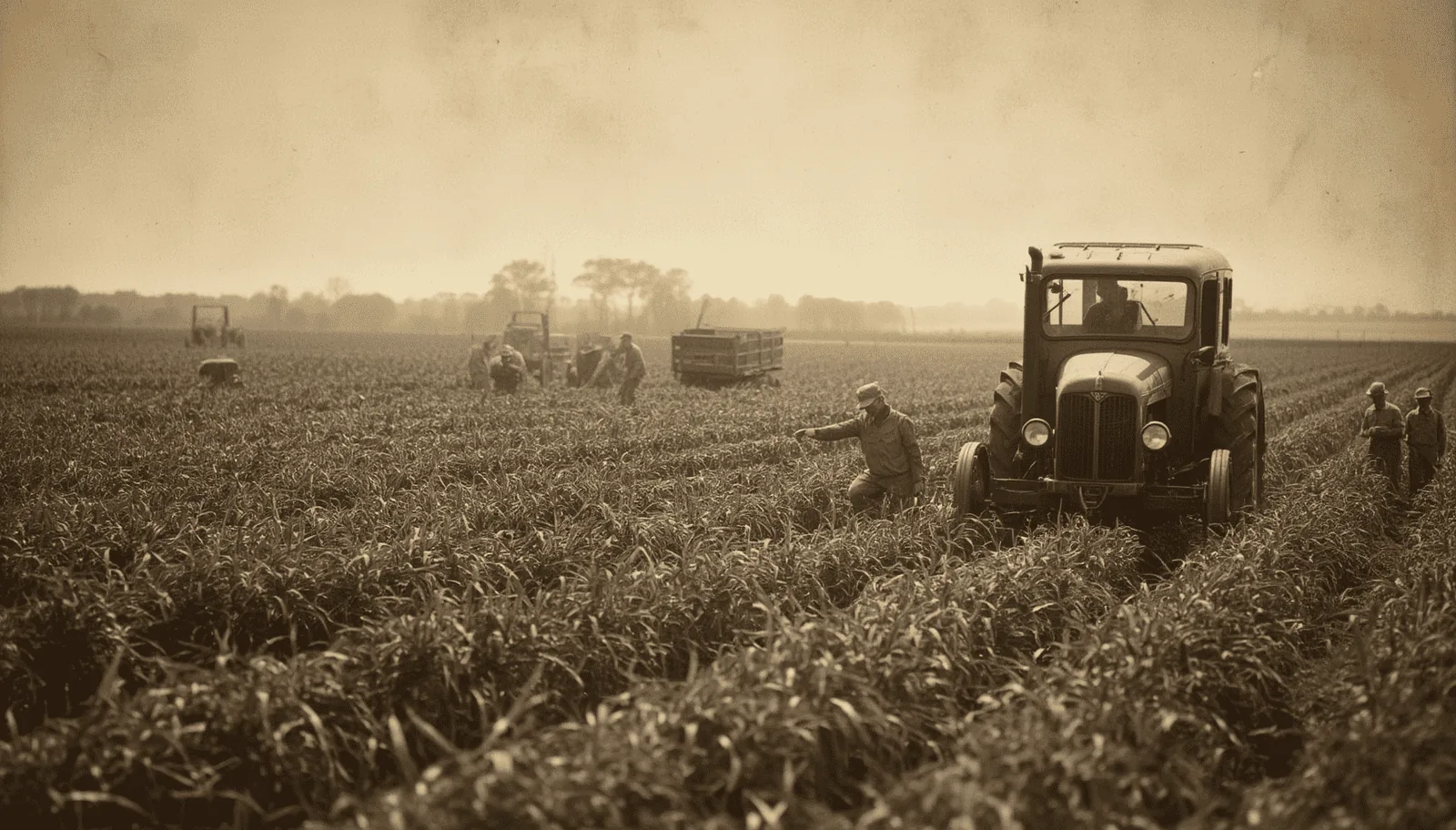
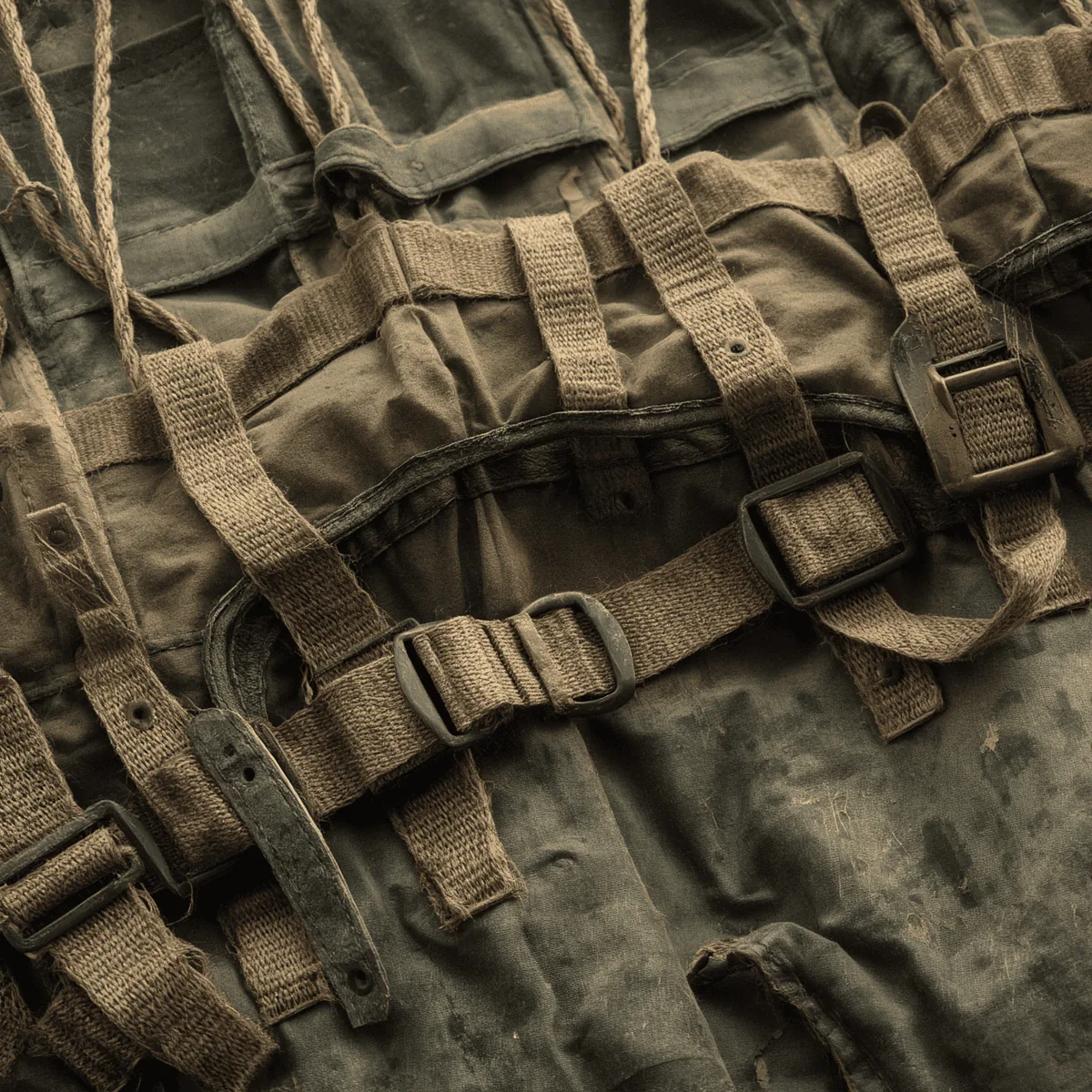
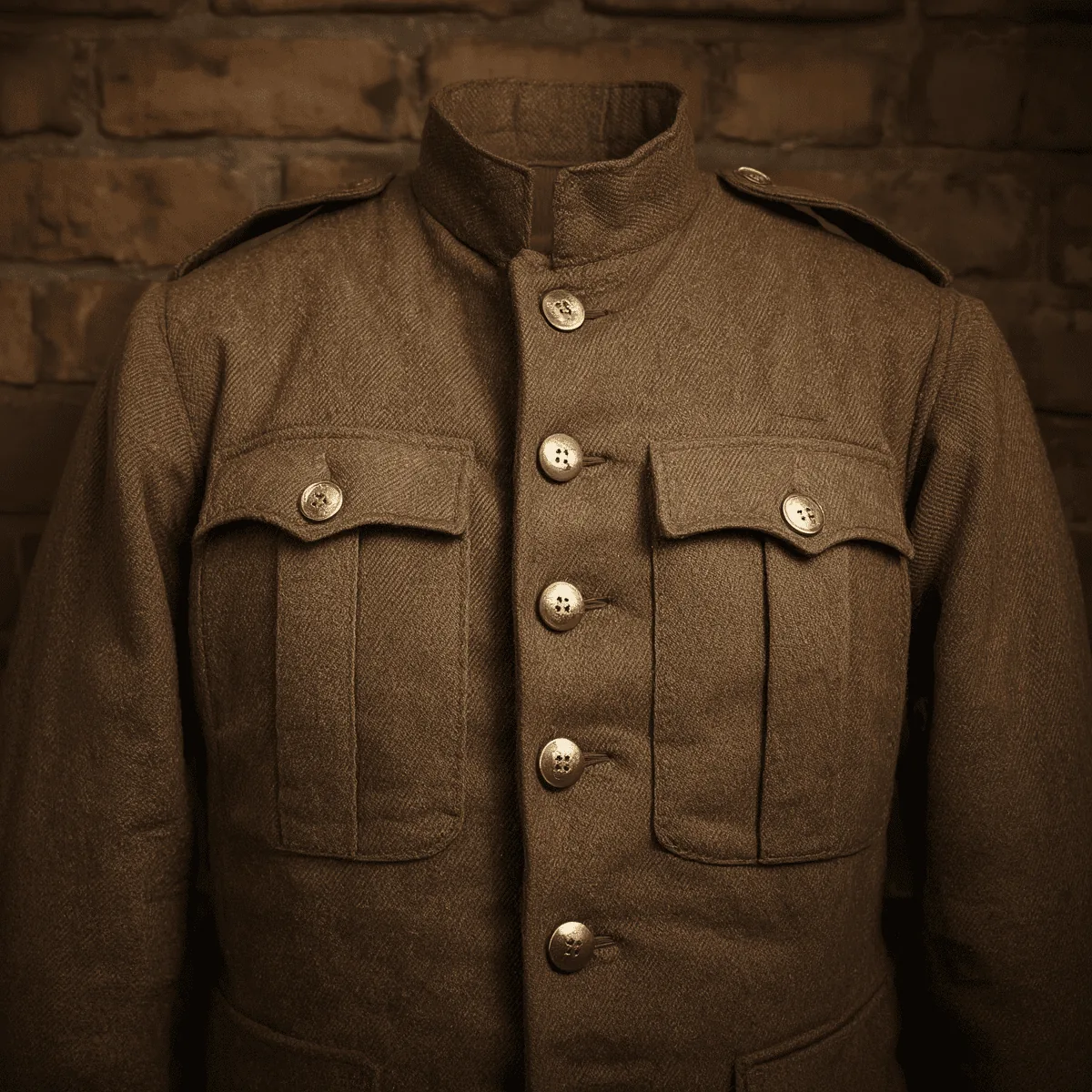
In times of war, hemp became a strategic resource. During the Second World War, the United States government actively encouraged farmers to grow hemp through a campaign famously known as "Hemp for Victory." The fibre was needed for ropes, parachute webbing, uniforms and countless other military supplies when other sources were cut off.
This chapter reveals how vital the plant remained even in the modern industrial age. When nations faced their greatest challenges, they turned once again to hemp — a crop that had served humanity for thousands of years. This hall remembers the role hemp played in some of history's most difficult moments.
Hemp in Art and Knowledge
Canvas, paper and the written word
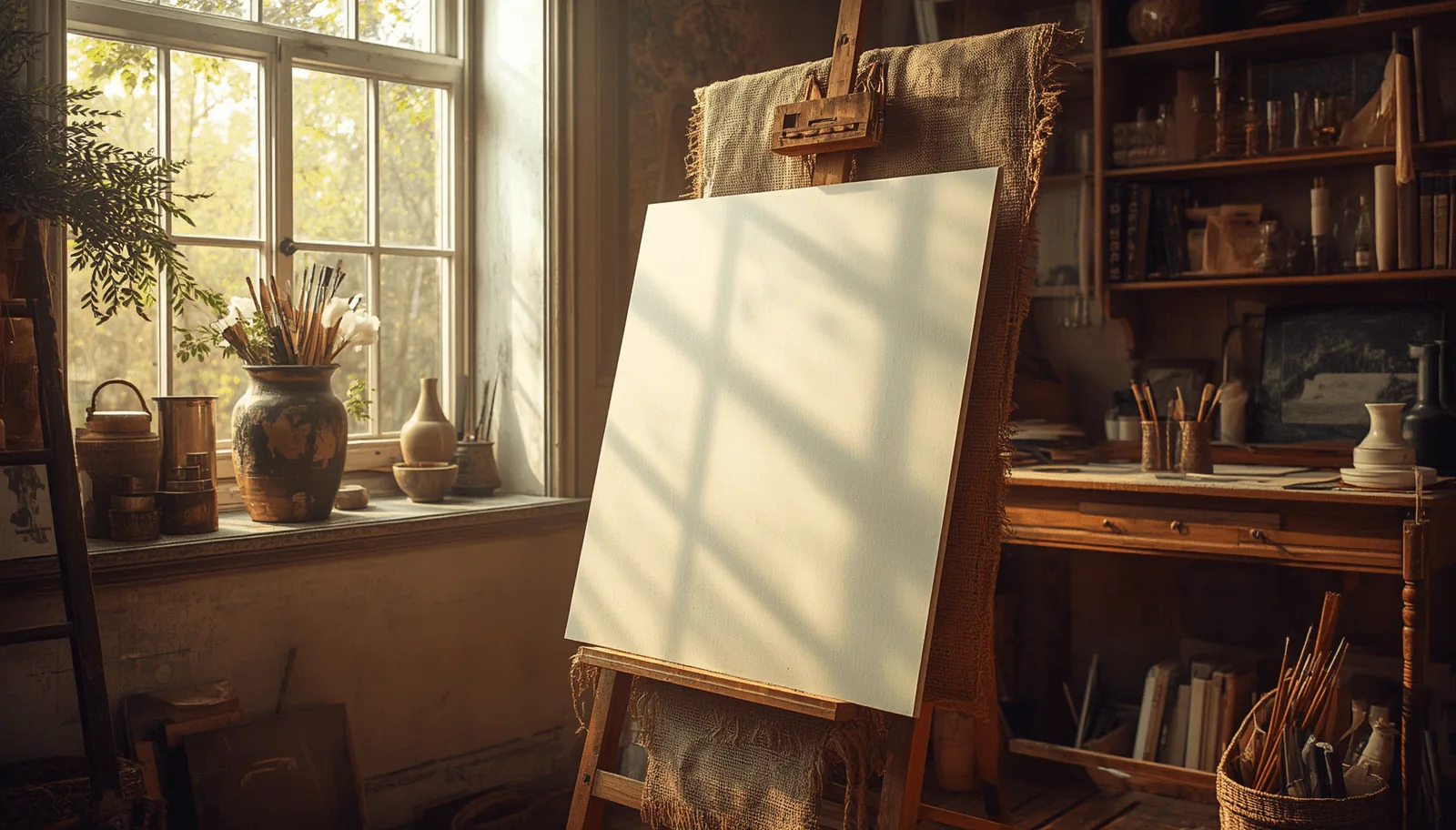
Hemp has quietly supported human creativity and knowledge for centuries. Many of the world's great paintings were created on canvas woven from hemp fibre — a tradition reflected in the very word "canvas." Artists valued hemp for its strength and durability, qualities that have helped preserve their work across the ages.
Hemp paper, too, played an important role in recording and sharing ideas. More durable than many wood-based alternatives, it was used for books, documents and manuscripts. In this hall we celebrate hemp's contribution not only to industry and trade, but to art, learning and the preservation of human knowledge.

Hemp in Nutrition and Wellness
A natural source of nourishment
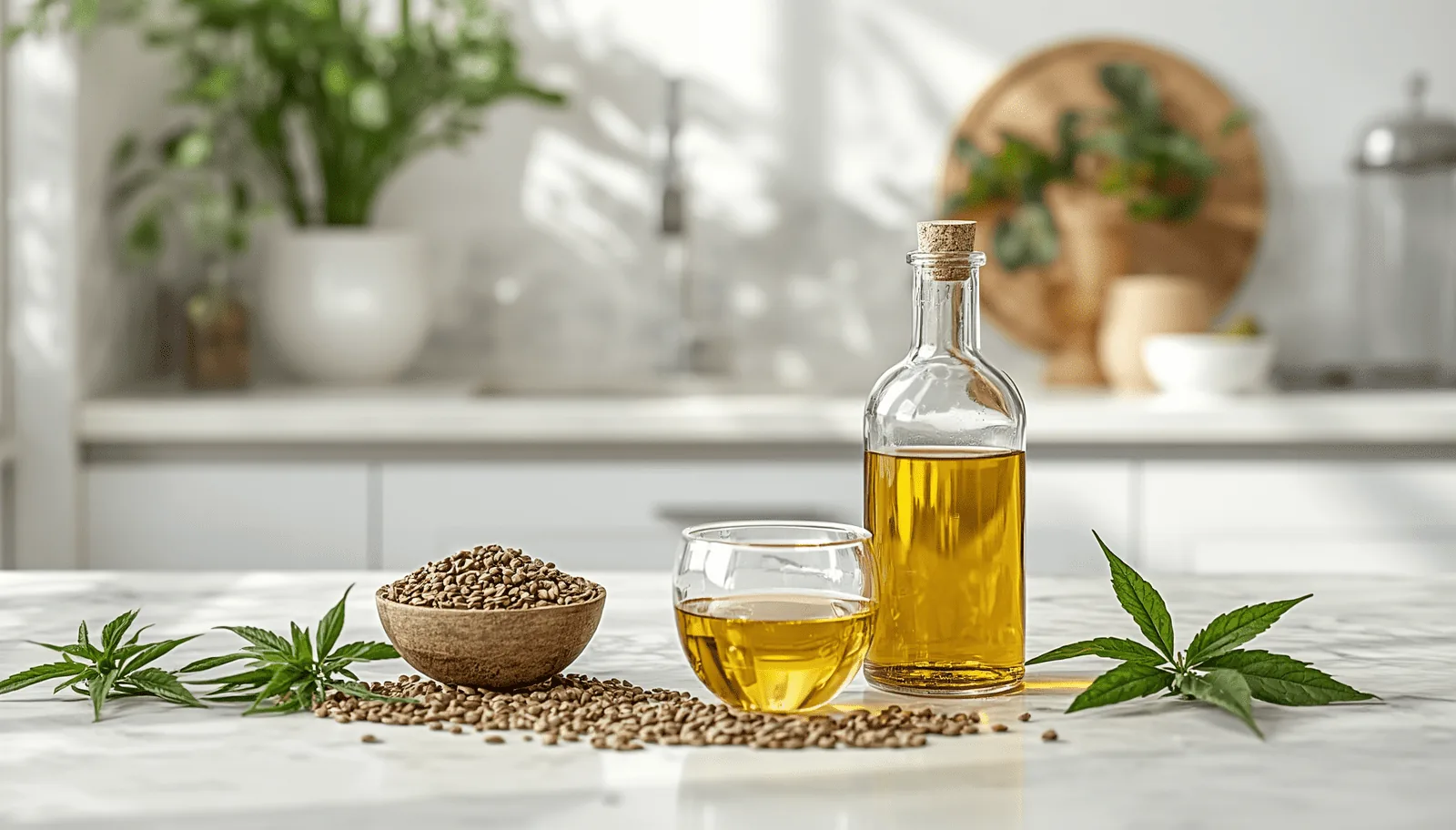
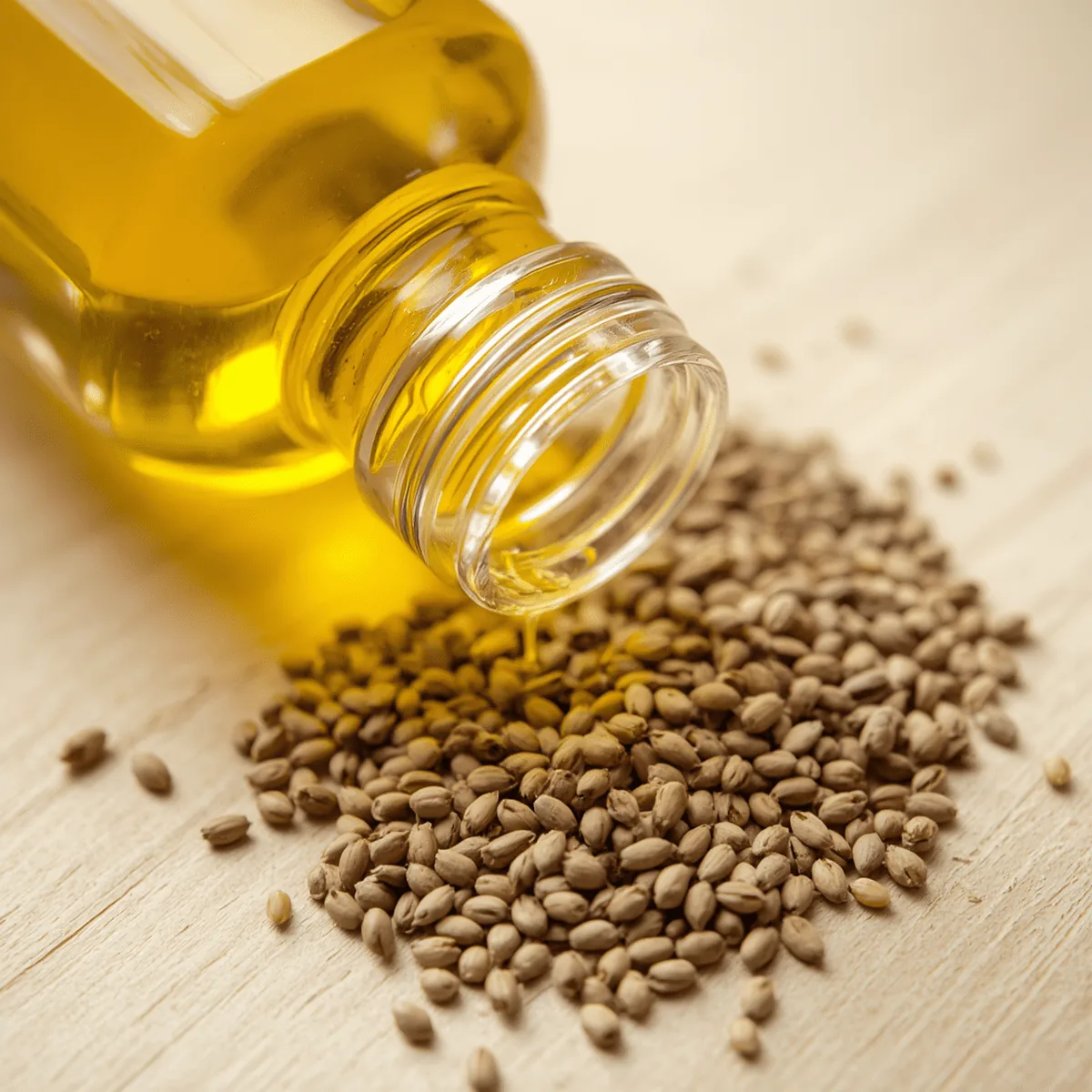
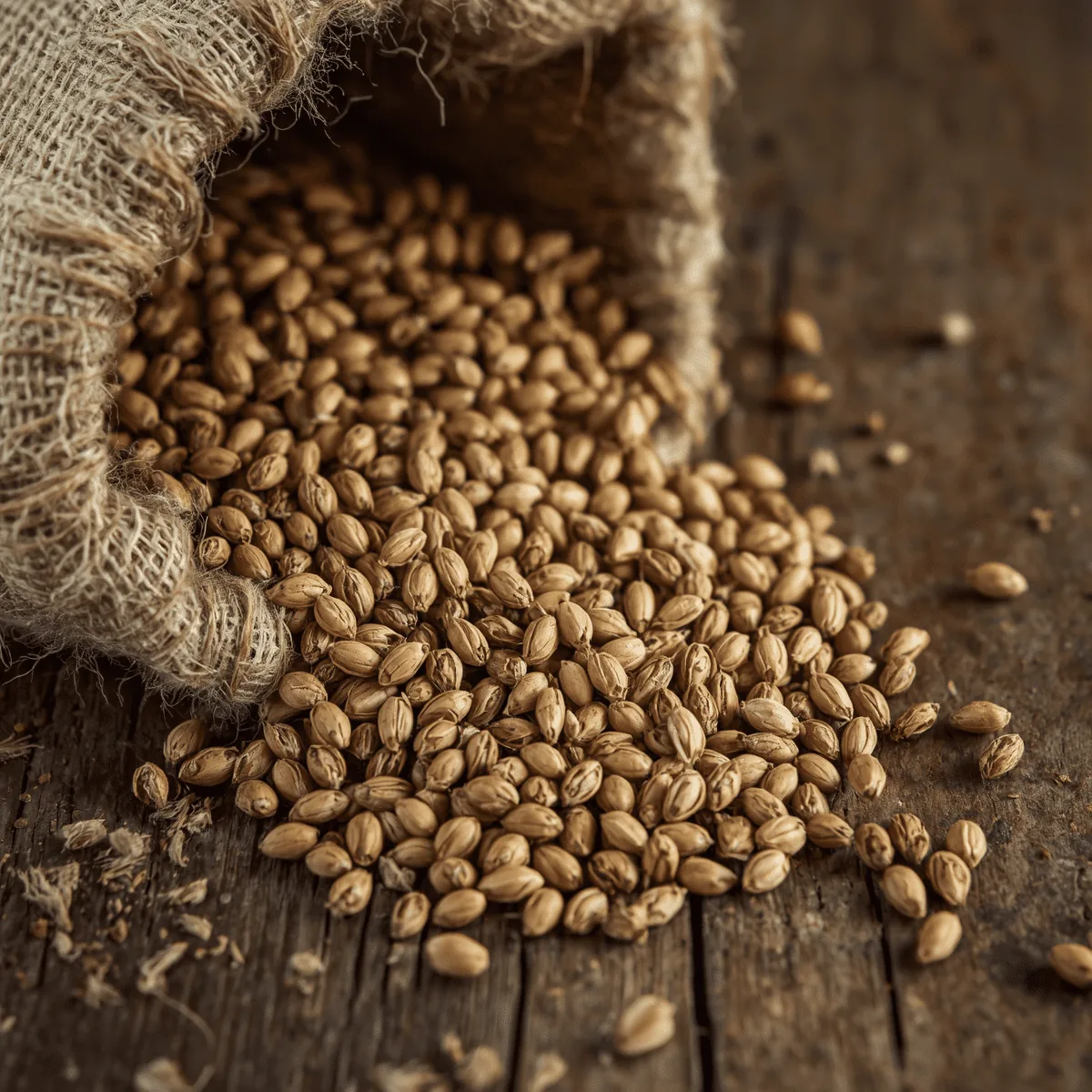
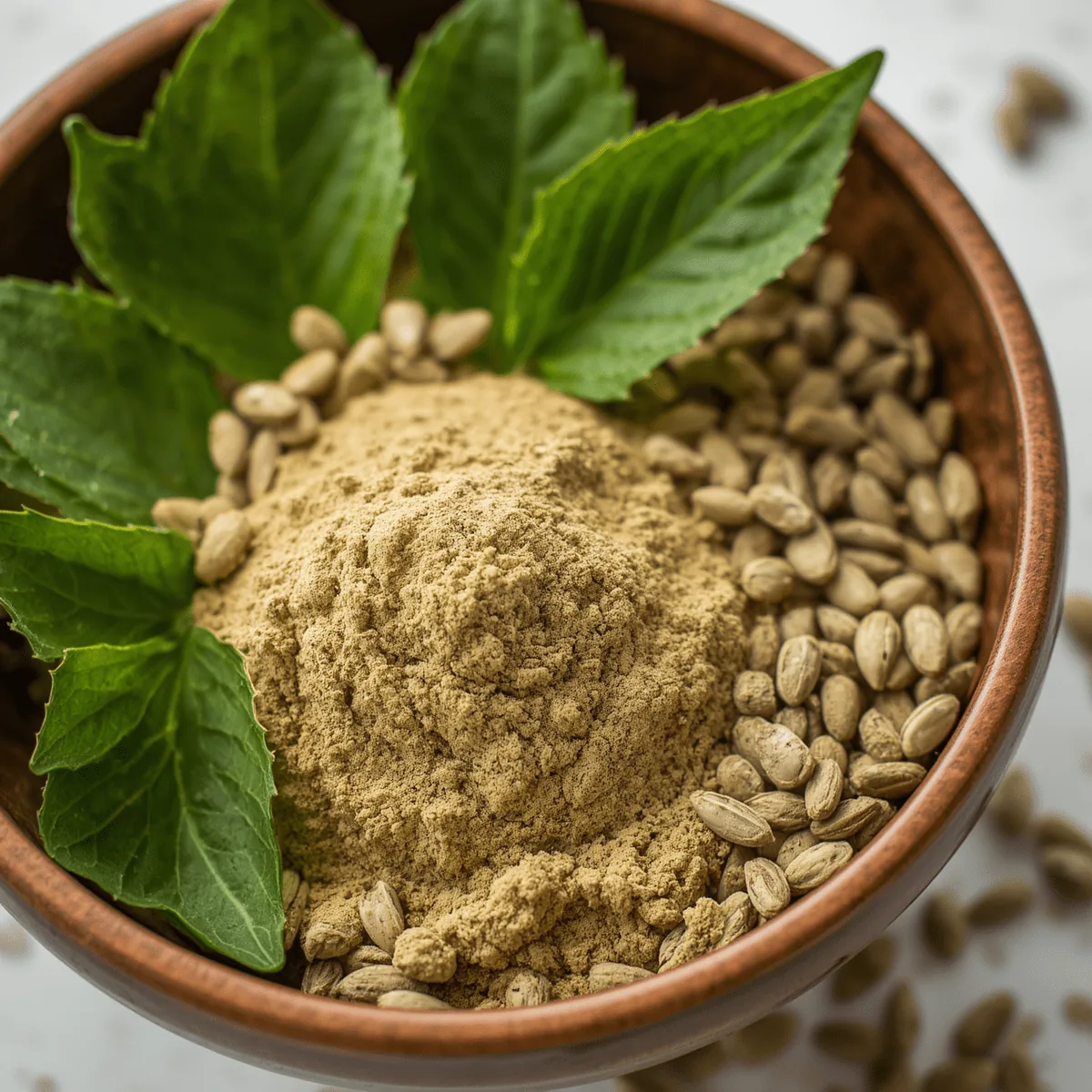
Long before modern science confirmed it, people understood that hemp was a source of nourishment. Hemp seeds are a remarkable food, rich in protein, healthy fats and essential minerals. Today, hemp seed oil, hemp protein and other seed-based products are embraced by people seeking natural, plant-based nutrition.
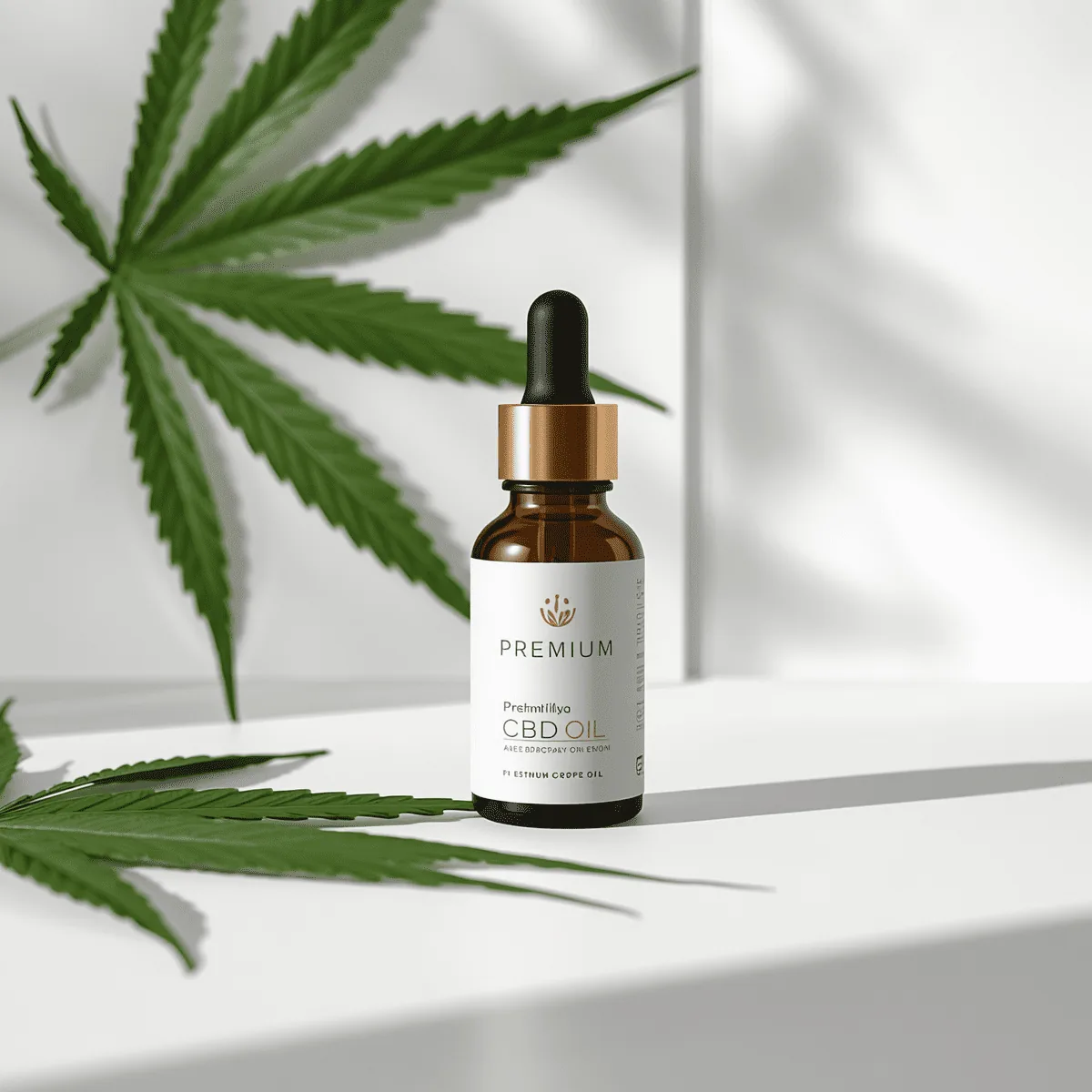
Alongside nutrition, compounds derived from hemp — such as CBD — have become central to the modern wellness movement. Used in oils, cosmetics and aromatherapy products, they reflect a renewed appreciation for what this plant has always offered. This hall explores hemp's gentle, nourishing side and its place in a balanced, natural lifestyle.
The cannabinoid family
The best-known one. Non-intoxicating and the most widely studied cannabinoid — the heart of every GreenPulse oil.
The famous one. Intoxicating, and kept within the legal limit for industrial hemp — not enough to affect the mind.
The mother. The precursor molecule that all other cannabinoids are formed from as the plant grows.
The aged one. Forms gradually as THC ages over time.
The quiet helper. Works behind the scenes, contributing to the full-spectrum entourage effect.
Every human has an endocannabinoid system — a network of receptors found throughout the human body. Researchers continue to study how plant cannabinoids like CBD interact with it.
Hemp and the Planet
One of nature's most sustainable crops
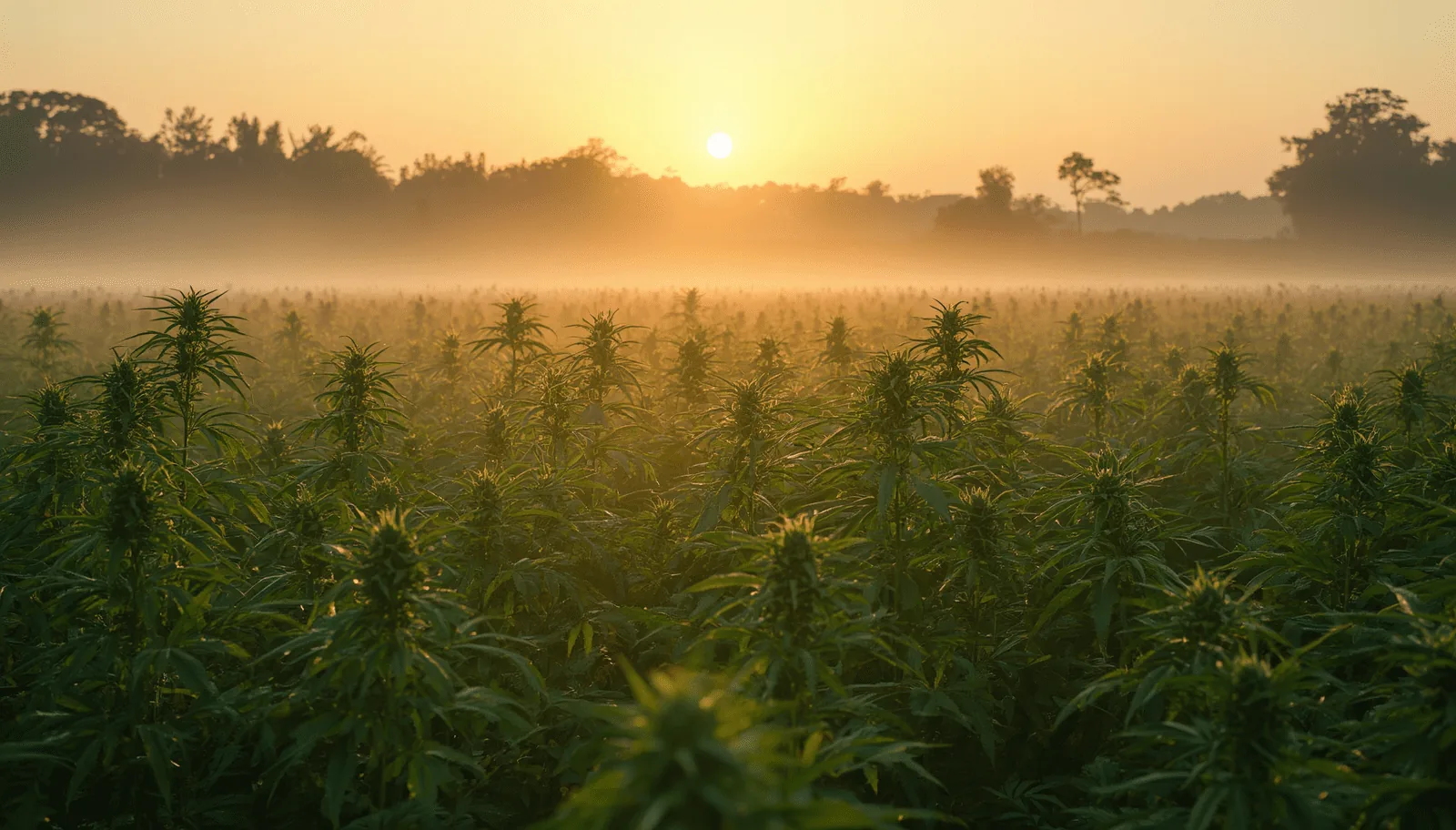
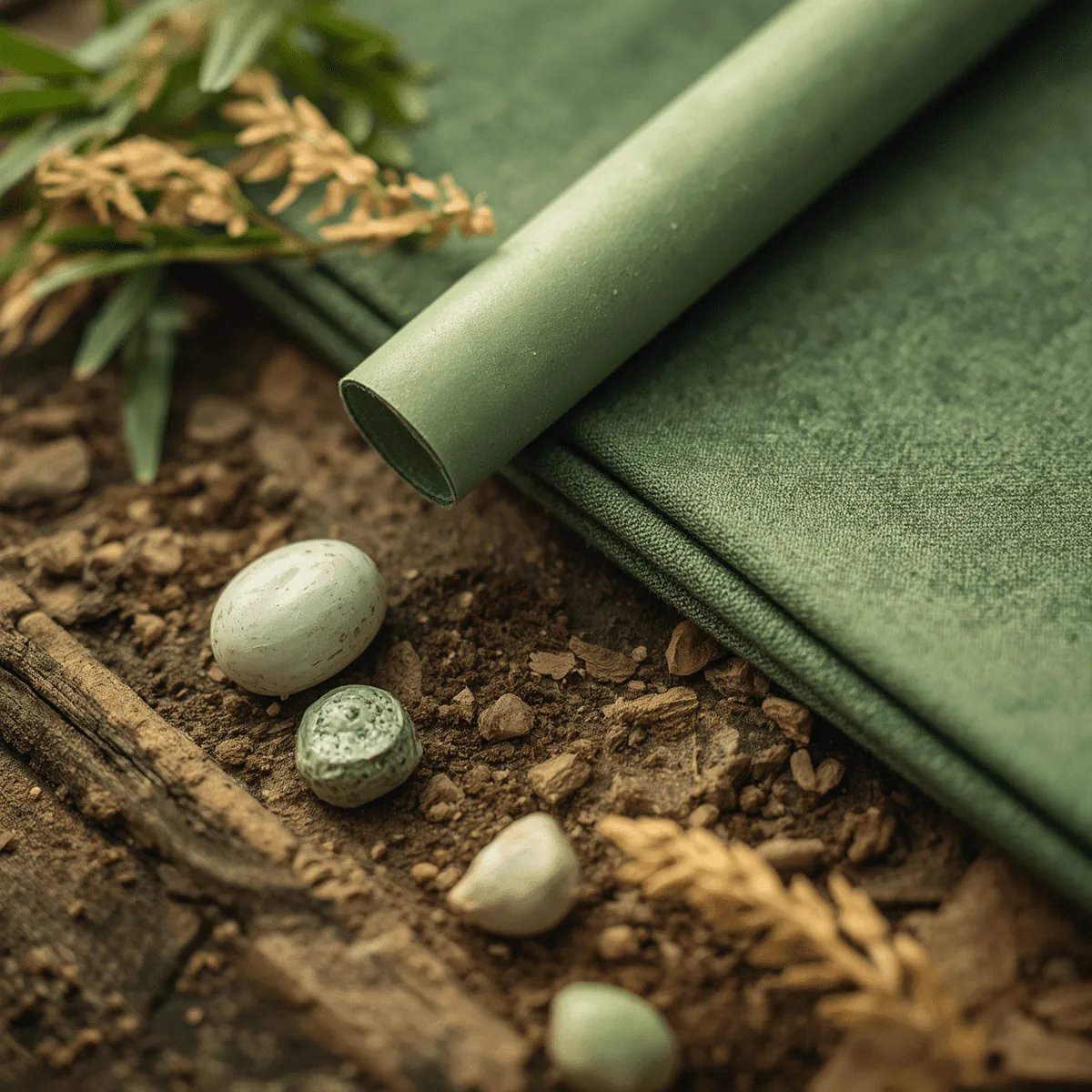
In an age of environmental awareness, hemp shines as one of the most sustainable crops on earth. It grows quickly, often reaching maturity in just three to four months, and requires far less water than many conventional crops. It naturally suppresses weeds, reducing the need for chemical herbicides, and even improves the health of the soil it grows in.
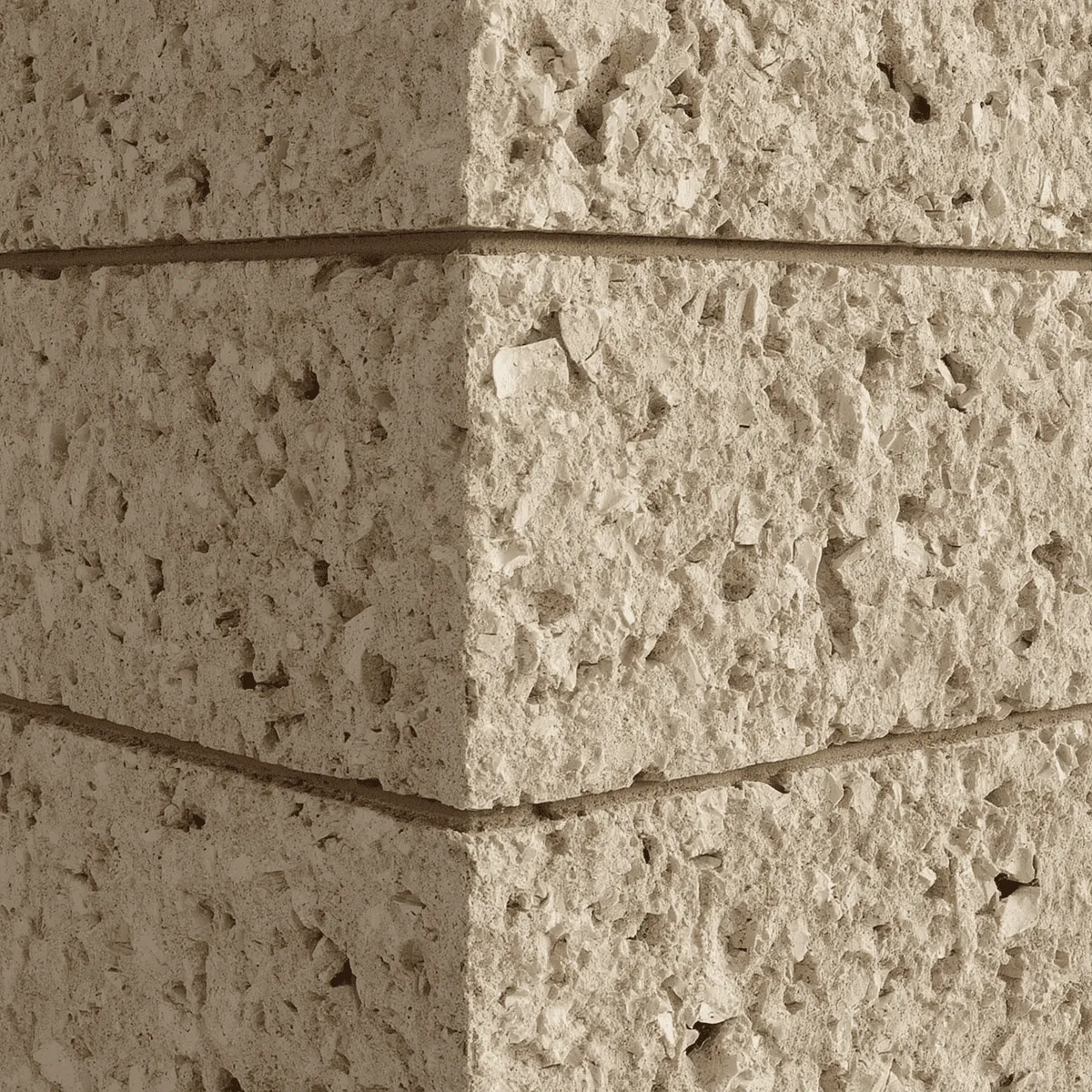
Hemp is also a powerful ally against climate change. As it grows it absorbs significant amounts of carbon dioxide, and it can be transformed into sustainable materials such as hempcrete for building and biodegradable alternatives to plastic. This hall looks at how a plant from humanity's distant past may hold real answers for our shared future.
The Hemp Renaissance
Hemp returns to Europe and the Czech Republic
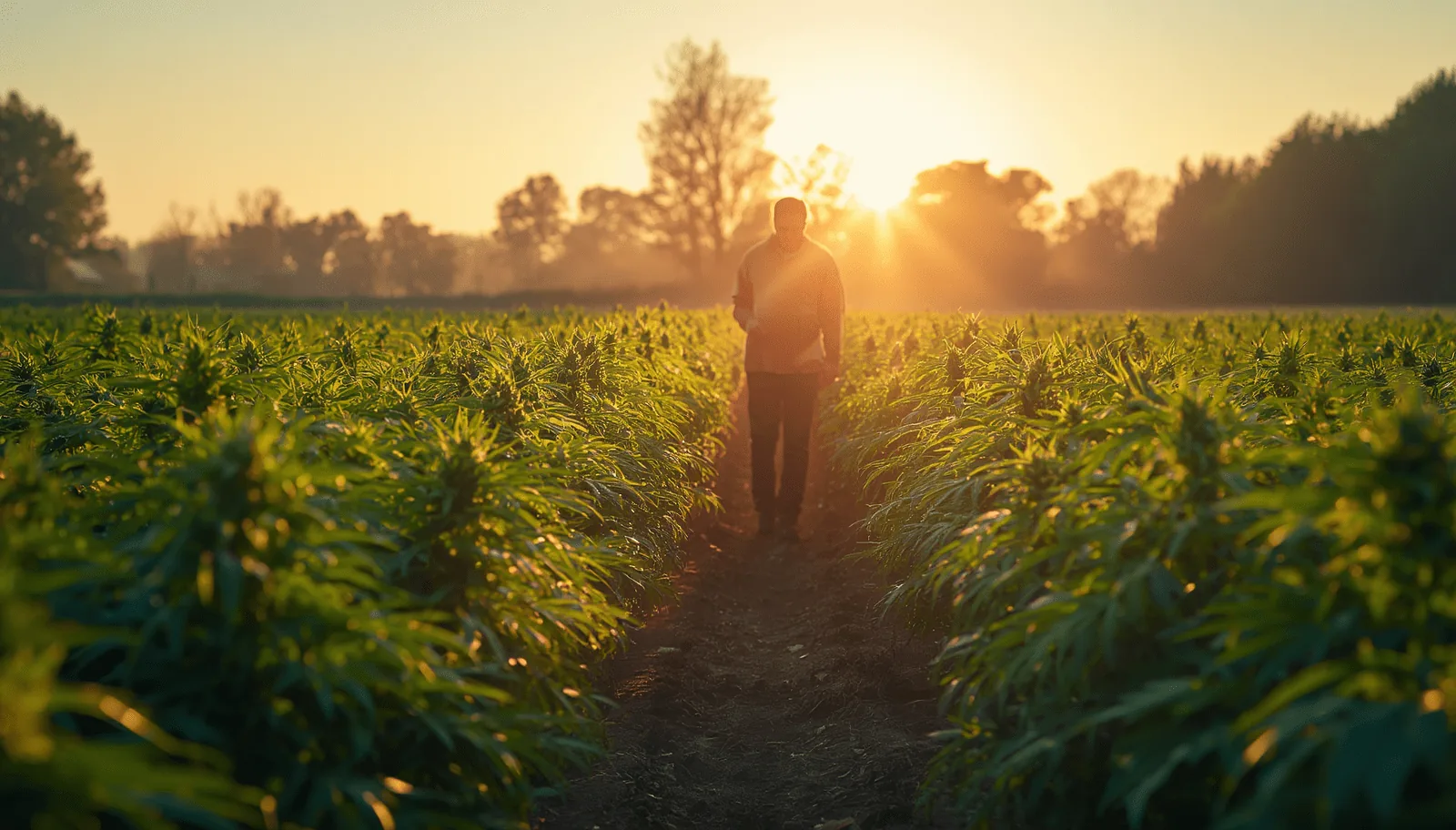

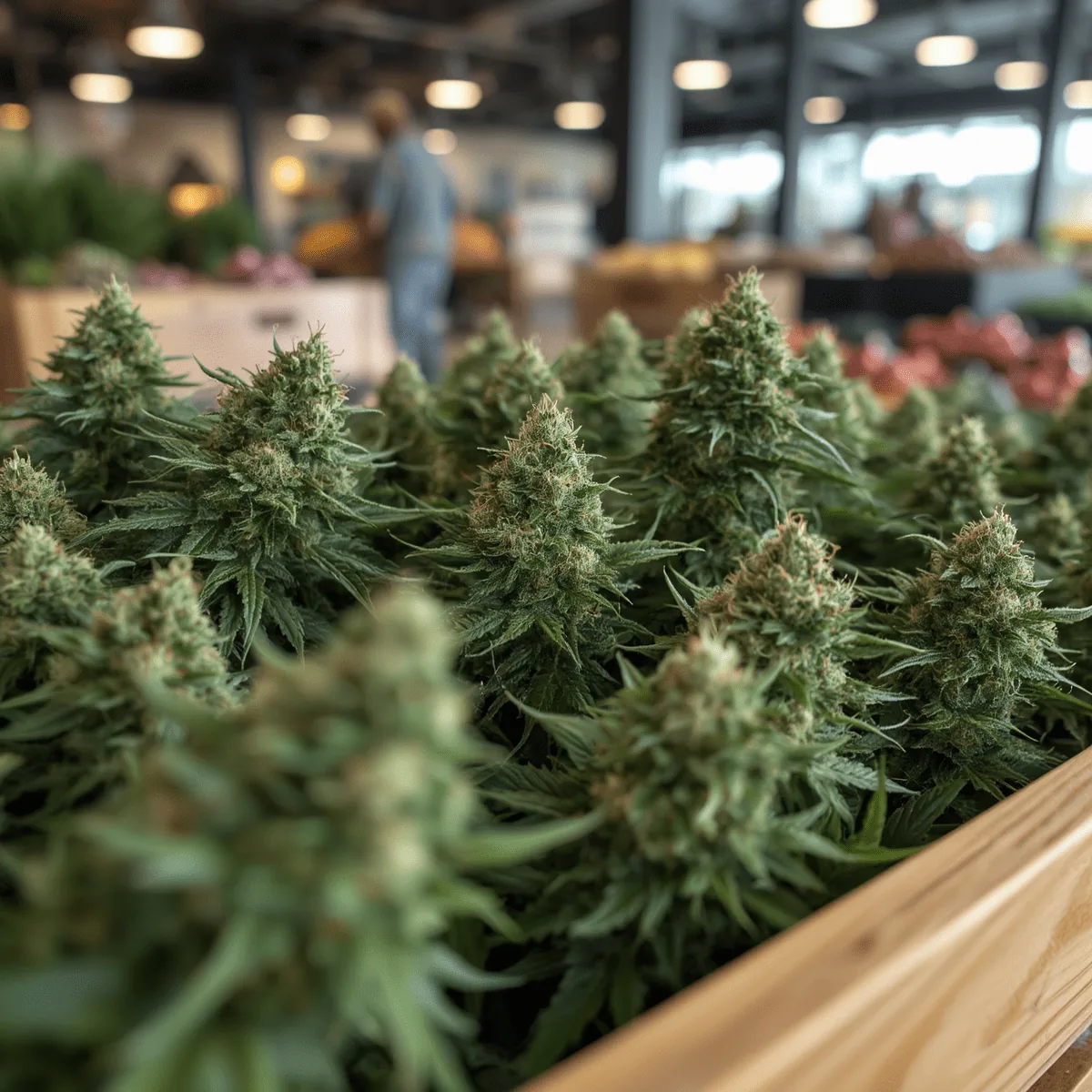
After a century of misunderstanding, hemp is experiencing a true renaissance. Across Europe, farmers are returning to this ancient crop, manufacturers are rediscovering its potential, and consumers are embracing hemp products as part of a more natural lifestyle. The European Union has established clear regulations that allow hemp cultivation and the sale of hemp products within strict legal limits.
The Czech Republic has become one of the more progressive countries in the region when it comes to hemp, with a thriving market and a growing community of enthusiasts. This modern revival honours hemp's long history while opening an exciting new chapter — one built on quality, transparency and respect for the plant.
The GreenPulse vision
Writing the next chapter
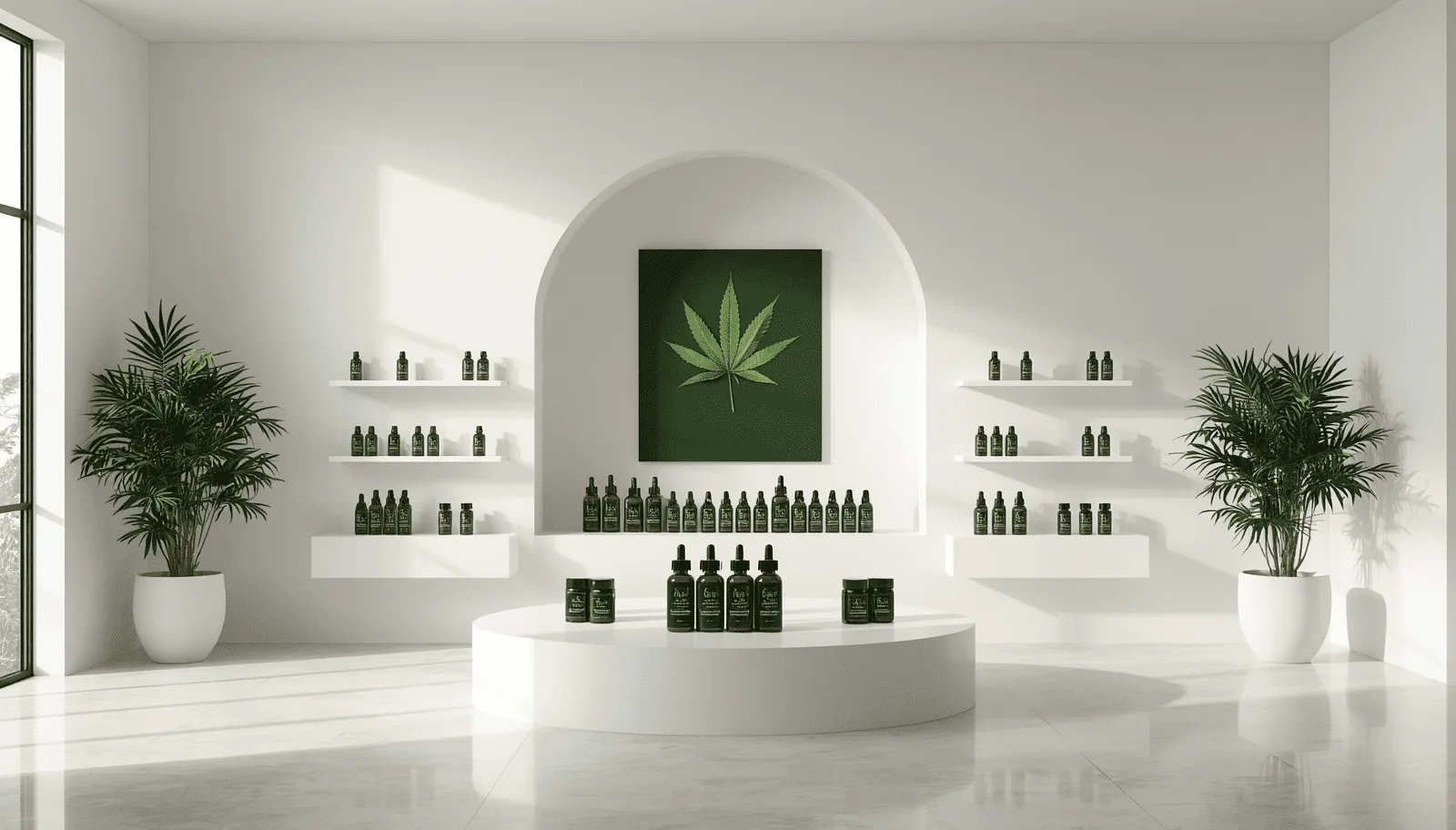
GreenPulse was born from a simple belief: hemp deserves to be celebrated, understood and offered with integrity. We are two brothers who have spent years immersed in hemp culture — studying it, living it and believing in its potential. As a hemp lifestyle brand, our vision goes beyond selling products. We want to educate, to inspire and to build a community around this remarkable plant.
The Czech CBD scene has a problem — too many shops operate in grey areas, making false claims and selling products of unknown origin. GreenPulse exists to offer something different: premium, legal hemp products with full certifications and documentation. No grey zones. No false promises. Just quality you can trust. Hemp has been part of the human story for ten thousand years — and we are proud to help write its next chapter.
Your journey doesn't end here
Now that you've travelled through ten thousand years of hemp history, discover the plant for yourself. Explore our premium, lab-tested hemp products - or read more stories on the GreenPulse blog.